
Trump claims responsibility for starting US-Iran war, denies Israeli influence
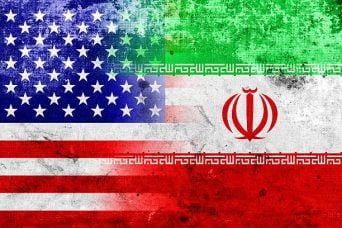
Former President Trump claimed direct responsibility for initiating military conflict with Iran while denying Israeli influence on the decision. This assertion reflects escalating geopolitical tensions that reduce diplomatic resolution prospects and increase macro-level volatility affecting risk assets including cryptocurrencies.
Trump's public assertion of responsibility for US-Iran military engagement represents a significant geopolitical escalation with immediate implications for global stability and market sentiment. The statement's emphasis on denying Israeli influence suggests an attempt to reframe responsibility narratives around Middle Eastern policy, though such claims typically indicate deeper diplomatic fractures rather than resolving them. This type of confrontational rhetoric historically precedes periods of heightened uncertainty in financial markets.
The broader context reveals ongoing US-Iran tensions that have persisted since the 2015 nuclear deal withdrawal. Previous escalations, including targeted strikes and proxy conflicts, have created patterns of sudden volatility spikes. The current assertion moves beyond tactical posturing into explicit ownership of military initiation, which fundamentally changes diplomatic calculus and reduces off-ramps for de-escalation.
For cryptocurrency and digital asset markets, geopolitical crises typically drive capital flows toward perceived safe havens, creating both volatility and opportunity. Bitcoin and other assets have historically demonstrated correlation with macro risk events, with some investors using crypto as a hedge against political instability. Elevated tensions increase probability of sanctions, trade restrictions, and intervention in global financial systems—dynamics that can either support crypto adoption as alternative payment rails or trigger regulatory crackdowns depending on which nations face sanctions.
Market participants should monitor escalation indicators including military positioning statements, diplomatic channel activity, and energy market reactions. Oil price spikes historically accompany Iran tensions, creating secondary effects on inflation expectations and central bank policy trajectories that ripple through crypto valuations.
- →Trump's direct claim of responsibility for military action eliminates ambiguity and reduces diplomatic resolution pathways
- →Geopolitical escalation typically increases volatility across risk assets including cryptocurrencies
- →Middle East tensions historically spike oil prices, affecting macro conditions and regulatory pressure on crypto markets
- →Denial of Israeli influence suggests internal political positioning rather than strategic confidence
- →Investors should monitor energy markets and sanctions developments as leading indicators of crypto market impact