
Trump Pivots on AI Regulation, Worker Ousted by DOGE Runs for Office, and Hantavirus Explained
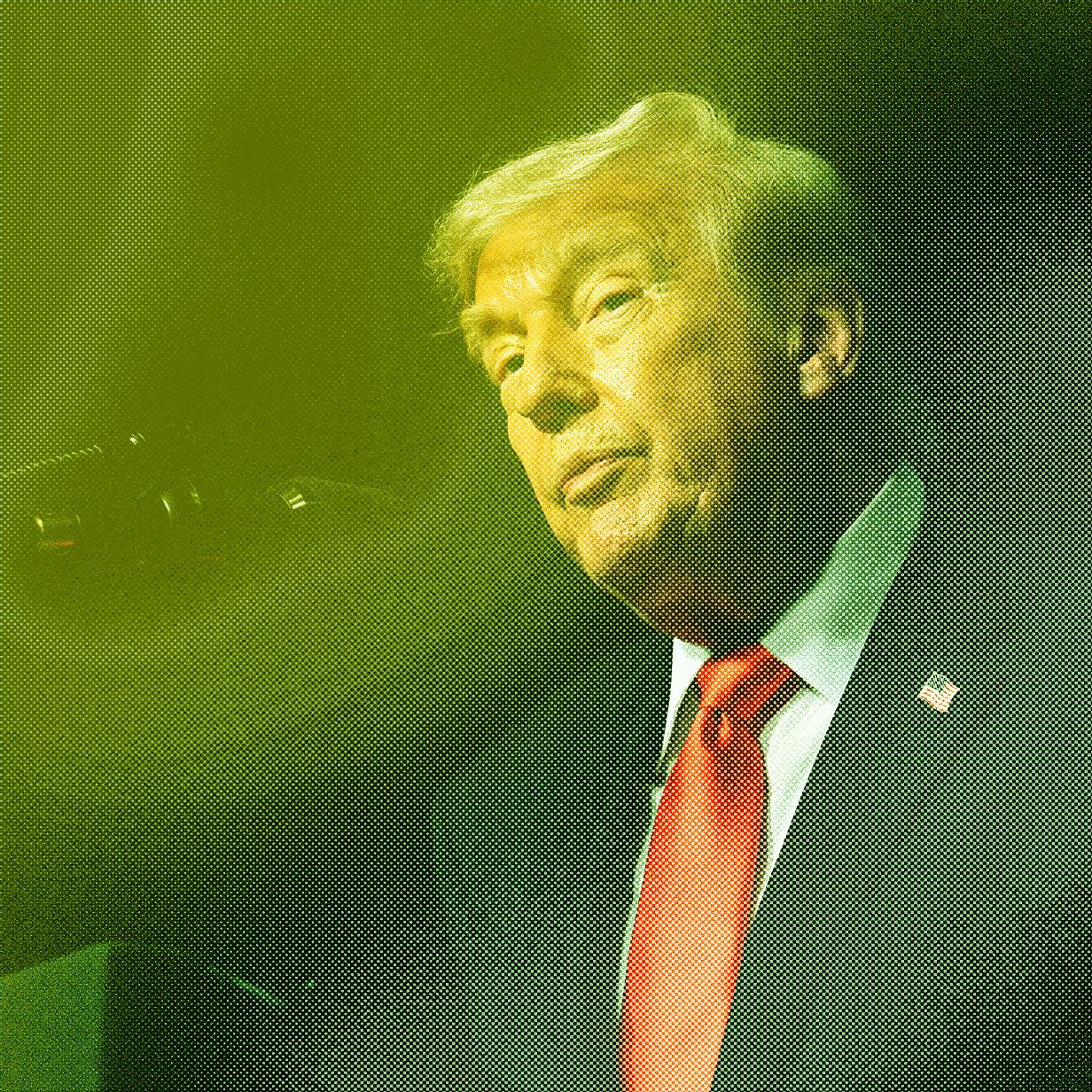
The Trump administration is considering a federal executive order to establish oversight of new AI models, signaling a potential shift toward regulatory frameworks for artificial intelligence development. This move reflects growing government interest in AI governance amid broader policy discussions within the administration.
The Trump administration's consideration of an executive order for federal AI model oversight represents a notable shift in the regulatory posture toward artificial intelligence. Unlike previous rhetoric dismissing regulation, this pivot suggests the administration recognizes the need for some form of structured governance around AI development, particularly as models become more capable and widely deployed. This change may reflect pressure from industry stakeholders, national security concerns, or recognition that unregulated AI development poses risks requiring government coordination.
Historically, the Trump administration has favored deregulation across most sectors. The move toward AI oversight breaks from this pattern, suggesting AI uniqueness in policy discussions—possibly due to national security implications, competition with China, or demonstrated AI capabilities that warrant federal attention. This aligns with broader global trends where governments across ideological spectrums are developing AI frameworks, from the EU's AI Act to emerging Asian regulatory models.
For the AI and technology sectors, federal oversight could create compliance costs and slow deployment timelines, but also establish legitimacy and standards that reduce fragmented state-level regulations. This could benefit larger companies with compliance infrastructure while creating barriers for smaller developers. Investors should monitor whether this executive order emphasizes innovation incentives or restrictive requirements.
The coming weeks will clarify the order's scope—whether it targets model training, deployment, specific use cases, or data practices. The administration's appointments within DOGE (Department of Government Efficiency) and relevant agencies will signal whether this represents genuine regulatory intent or performative governance.
- →Trump administration is drafting an executive order for federal AI model oversight, departing from previous deregulatory stance
- →Move reflects global trend toward AI governance, possibly driven by national security and competition concerns
- →Federal framework could reduce state-level fragmentation but increase compliance costs for AI developers
- →Implementation scope and enforcement mechanisms remain unclear and will shape industry impact
- →Larger AI companies with compliance resources may benefit relative to smaller competitors