
Trump declines NATO aid in Persian Gulf, strains US-Europe ties
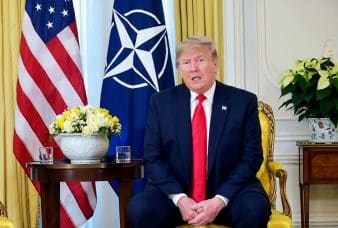
Trump's decision to decline NATO assistance in the Persian Gulf signals a significant realignment of US foreign policy and alliance structures. This move deepens existing tensions between Washington and European allies, introducing geopolitical uncertainty that could affect global markets and asset valuations.
Trump's rejection of NATO support in the Persian Gulf represents a fundamental shift in how the United States approaches traditional security partnerships. This decision prioritizes unilateral action over collective defense mechanisms, marking a departure from decades of transatlantic cooperation. The move signals that the administration may pursue independent strategic objectives in critical global regions without coordinating with European partners, potentially fragmenting the Western alliance structure.
Historically, NATO collaboration has provided stability in key geopolitical hotspots, including the Middle East. The Persian Gulf region remains critical for global energy security and shipping lanes that support worldwide commerce. By declining coordinated NATO assistance, the US reduces diplomatic leverage and increases the risk of miscalculation among regional actors. This decision follows broader patterns of tension between the Trump administration and European governments over trade, defense spending, and strategic priorities.
For investors and crypto markets, geopolitical fragmentation creates volatility and uncertainty. Traditional safe-haven assets like gold and bonds typically strengthen during alliance breakdowns, while risk assets may face headwinds. Cryptocurrency markets have demonstrated sensitivity to geopolitical tensions, particularly regarding sanctions regimes and capital flow restrictions. European and American institutional investors may reassess portfolio allocations as transatlantic coordination weakens.
Looking ahead, watch for European responses to formalize independent defense capabilities and potential shifts in energy markets as the region faces new instability dynamics. The long-term impact on crypto adoption may depend on whether allies pursue decentralized financial alternatives to reduce US dollar hegemony during periods of diplomatic fracture.
- →Trump declines NATO support in Persian Gulf, signaling shift toward unilateral foreign policy
- →Decision strains US-Europe alliance and increases geopolitical uncertainty in critical energy region
- →Fragmented Western coordination may reduce diplomatic leverage against regional actors
- →Investors should monitor geopolitical volatility effects on risk assets and safe-haven demand
- →Long-term impact on crypto markets depends on European responses to reduced US-led coordination