
Trump denies Pakistan urged changes to US blockade on Iran
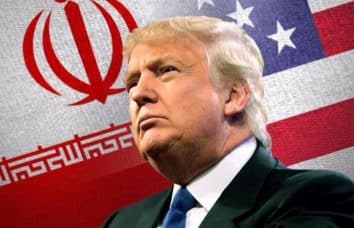
Trump denies claims that Pakistan requested changes to US sanctions on Iran, creating diplomatic uncertainty. The denial underscores geopolitical tensions that could impact cryptocurrency markets and cross-border financial flows, particularly affecting crypto adoption in sanctioned regions.
Trump's public denial of Pakistan's alleged request to modify Iran sanctions reflects broader geopolitical volatility affecting global markets. The statement matters because Pakistan-US relations directly influence regional stability and cryptocurrency adoption patterns, particularly in South Asia where crypto serves as an alternative financial infrastructure amid sanctions and capital controls. Pakistan has previously explored crypto as a hedge against currency devaluation and restricted banking access, making US foreign policy shifts directly relevant to crypto market dynamics.
The background reveals a pattern of shifting US-Iran relations under different administrations. Trump's previous maximum pressure campaign on Iran created conditions where cryptocurrency became increasingly important for Iranian entities to conduct international transactions. Any recalibration of sanctions policy triggers market reassessment of crypto's utility as a sanctions-evasion tool and impacts demand from affected regions.
For crypto markets, this geopolitical uncertainty creates volatility, particularly in altcoins tied to emerging markets and tokens popular in Middle Eastern or South Asian markets. Institutional investors monitoring sanctions policy as a macro indicator face increased unpredictability, which can suppress risk appetite for emerging market-exposed assets. The diplomatic opacity also complicates regulatory frameworks, as governments remain uncertain about potential policy reversals that could affect cross-border crypto transactions.
Market participants should monitor official US policy announcements and international diplomatic channels for clarity on Iran sanctions. Any concrete policy shifts would materially impact crypto demand in affected regions and could trigger regulatory responses in allied nations. The current ambiguity likely suppresses major institutional flows until clearer geopolitical positioning emerges.
- →Trump's denial signals continued uncertainty around US-Iran policy, affecting crypto demand in sanctioned regions
- →Pakistan's potential mediation suggests diplomatic channels may be opening, creating long-term policy unpredictability
- →Cryptocurrency serves as critical financial infrastructure in sanctions-affected countries, making geopolitical shifts directly market-relevant
- →Institutional investors face heightened macro uncertainty that could suppress risk appetite for emerging-market crypto exposure
- →Clear policy direction from US administration remains critical for regional crypto adoption and regulatory framework development