
Trump downplays Iran war impact, claims economy remains strong
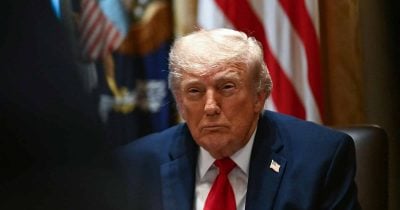
Former President Trump downplayed potential economic consequences of military tensions with Iran while asserting the U.S. economy remains resilient. Market analysts warn that dismissing geopolitical risk factors in policy decisions could amplify uncertainty and potentially slow cryptocurrency adoption during periods of heightened international conflict.
Trump's public statements minimizing economic fallout from Iran-related military scenarios reflect a pattern of political messaging that may obscure underlying market risks. When leadership downplays geopolitical threats, investors face information asymmetry that complicates risk assessment and resource allocation decisions. This disconnect between official narratives and actual market conditions creates volatility, particularly in assets like cryptocurrency that serve as hedge instruments during periods of macroeconomic uncertainty.
Historically, military tensions between major powers drive flight-to-safety behavior among investors, benefiting assets perceived as non-correlated to traditional markets. Cryptocurrency has increasingly positioned itself as such an alternative, attracting institutional capital during geopolitical crises. However, when policymakers publicly minimize risks, they may suppress the precautionary demand that typically drives crypto adoption during conflict periods.
The broader implication extends to market structure and confidence. If geopolitical events are systematically downplayed in public discourse, retail investors may remain unprepared for sudden market dislocations. Crypto markets, characterized by 24/7 trading and thin liquidity in certain pairs, become particularly vulnerable to shock events that catch market participants off-guard.
Looking ahead, market participants should monitor whether military escalation actually materializes and how central banks respond independently of political messaging. The crypto sector's growth trajectory may depend less on diplomatic stability and more on whether investors develop independent risk assessment frameworks rather than relying on official economic pronouncements.
- →Political downplaying of geopolitical risks creates information gaps that increase market uncertainty rather than reduce it.
- →Cryptocurrency historically benefits from flight-to-safety demand during international crises, but only if investors recognize actual risk levels.
- →Disconnect between official economic messaging and market conditions can trigger sudden volatility in 24/7 trading markets like crypto.
- →Retail investors may remain underhedged if geopolitical threats are systematically minimized in public discourse.
- →Independent risk assessment by market participants becomes critical when official narratives diverge from underlying threat levels.