
Trump administration declares power emergency in southeastern US as extreme heat strains grid
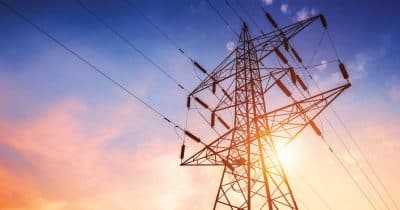
The Trump administration has declared a power emergency in the southeastern US as extreme heat strains electrical grid capacity. The situation underscores the tension between maintaining energy reliability and adhering to environmental standards, highlighting the need for balanced sustainable energy solutions.
The Trump administration's declaration of a power emergency in the southeastern United States reflects mounting pressure on electrical infrastructure during peak demand periods. Extreme heat events increasingly challenge grid operators to balance supply and demand while maintaining system stability. This emergency declaration signals that current capacity may be insufficient to meet demand without intervention, requiring either temporary regulatory relief or demand management strategies.
The underlying causes trace to decades of infrastructure investment patterns and the regional energy mix. Southeastern utilities have historically relied on a combination of coal, natural gas, and nuclear power, with renewable capacity still developing. Climate trends show intensifying heat waves, which simultaneously increase cooling demand while potentially reducing the efficiency of thermal power generation. The tension between environmental standards and reliability reflects a fundamental challenge: transitioning energy systems toward lower-carbon sources while maintaining the baseload power necessary for grid stability.
For energy markets and investors, this emergency creates both challenges and opportunities. Traditional energy producers may see temporary reprieve from environmental regulations, potentially supporting commodity prices. However, the declaration also strengthens the investment case for grid modernization, battery storage, and distributed renewable energy—sectors that can provide flexible capacity during peak periods. Cryptocurrency operations, particularly those using significant electricity in the southeastern region, may face operational constraints or higher power costs if demand charges increase.
Looking ahead, this event will likely accelerate discussions around grid resilience investments and energy diversification. The outcome of this emergency may influence policy decisions regarding renewable energy deployment speeds and grid modernization funding. Stakeholders should monitor whether temporary measures become permanent policy shifts or serve as catalysts for long-term infrastructure improvements.
- →The southeastern US power emergency highlights infrastructure vulnerabilities during extreme weather events.
- →Grid strain creates tension between short-term reliability needs and long-term environmental commitments.
- →Energy-intensive sectors like cryptocurrency may face operational disruptions or increased costs.
- →The incident strengthens investment cases for grid modernization and energy storage solutions.
- →Policy responses could shift toward either deregulation or accelerated renewable deployment.