
Trump ends Iran hostilities, hints at possible future military action
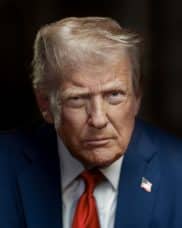
Trump has announced an end to active hostilities with Iran while leaving open the possibility of future military action, creating geopolitical uncertainty. This development reduces immediate conflict risk but maintains tension, with implications for global stability and risk asset markets including cryptocurrency.
The Trump administration's decision to pause Iran hostilities represents a tactical shift rather than a strategic resolution. By signaling willingness to de-escalate while preserving the option for future military intervention, the administration manages short-term diplomatic pressure while retaining leverage. This ambiguous posture reflects the complexity of U.S.-Iran relations, where neither complete withdrawal nor permanent confrontation serves stated interests. Historically, U.S.-Iran tensions have driven commodity price volatility and risk-off sentiment across financial markets. The broader context involves competing regional interests, nuclear negotiations, and domestic political considerations that shape foreign policy timing and intensity.
For cryptocurrency and digital asset markets, geopolitical uncertainty traditionally correlates with increased volatility and flight-to-safety dynamics. Risk assets like Bitcoin have shown sensitivity to escalating tensions, while safe-haven assets appreciate during acute conflict periods. The ambiguity embedded in Trump's position—neither war nor peace—creates a sustained uncertainty premium that can suppress risk appetite. Traders monitoring macro indicators increasingly factor geopolitical risk into portfolio construction, particularly in volatile periods when institutional capital seeks hedges.
Investors should watch for concrete indicators of follow-through: further military posturing, diplomatic initiatives, or sanctions announcements would reshape market expectations. The sustainability of this de-escalation depends on whether underlying grievances find resolution or simply remain dormant. Market participants should track crude oil prices, emerging market currency movements, and institutional positioning as proxies for shifting geopolitical risk perception. Any escalation signals or failed diplomatic talks could trigger sharp reversals in sentiment.
- →Trump suspends Iran hostilities but preserves military action option, maintaining geopolitical uncertainty
- →Ambiguous policy stance typically suppresses risk appetite and increases volatility in crypto markets
- →Crude oil and emerging market assets serve as leading indicators for geopolitical risk shifts
- →De-escalation sustainability depends on diplomatic progress rather than just military pauses
- →Investors should monitor for concrete signals of policy direction changes before major positioning shifts