
Trump cancels planned US strikes on Iran, maintains naval blockade until deal is signed
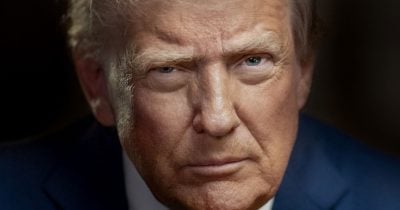
President Trump has canceled planned military strikes on Iran while maintaining a naval blockade, signaling a shift toward negotiation-based resolution. This geopolitical development carries implications for global oil markets and cryptocurrency volatility, as energy price stability directly influences macroeconomic conditions affecting digital asset valuations.
The decision to halt military action while preserving economic pressure represents a tactical recalibration in US-Iran relations. By canceling strikes yet maintaining the blockade, Trump administration officials are attempting to preserve leverage for future negotiations without triggering the immediate market disruptions that armed conflict would cause. This approach suggests policymakers recognize the severe economic consequences of escalation, particularly for global energy markets already sensitive to geopolitical shocks.
Historically, tensions with Iran have repeatedly spiked oil prices, creating inflationary pressures that reshape investor sentiment across asset classes. The 2019 drone strikes and subsequent tensions drove crude above $70 per barrel. Cryptocurrency markets, despite theoretical independence from traditional commodities, exhibit correlation with macroeconomic uncertainty—investors typically de-risk across alternative assets during energy crises. The current blockade maintains market uncertainty without the shock of kinetic action.
For crypto participants, prolonged sanctions and blockades create a nuanced environment. Extended economic pressure could either stabilize markets by avoiding worst-case escalation or increase volatility through unpredictable negotiation outcomes. Oil price stability directly influences inflation expectations, which impact real interest rates and consequently crypto valuations, particularly for risk assets like altcoins. Energy-intensive sectors, including crypto mining, also benefit from lower oil prices reducing overall energy costs.
Market observers should monitor negotiation progress and blockade intensity. Any resumption of military action or sudden sanctions relief would trigger significant repricing across commodities and crypto markets. The next critical juncture arrives when specific deal terms emerge or if blockade conditions change materially.
- →Trump administration cancels military strikes on Iran while maintaining naval blockade, signaling preference for negotiated resolution
- →Geopolitical tensions directly influence oil prices, which correlate with macroeconomic conditions affecting cryptocurrency valuations
- →Prolonged blockade creates sustained uncertainty rather than shock disruption, potentially stabilizing short-term market sentiment
- →Energy price stability impacts inflation expectations and real interest rates, influencing crypto asset pricing mechanisms
- →Negotiation outcomes or blockade escalation represent key triggers for potential cryptocurrency and commodities market repricing