
Israeli Air Force halts planned strikes on Iran after Trump call
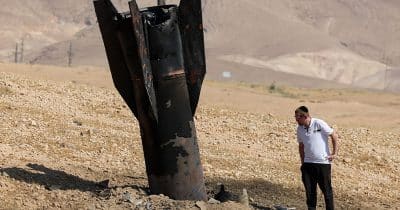
The Israeli Air Force postponed planned military strikes against Iran following a direct call from Donald Trump, underscoring the complex geopolitical dynamics shaping Middle Eastern stability. This intervention by Trump highlights shifting diplomatic pressures that could influence global market sentiment and cryptocurrency volatility tied to regional risk assessments.
Trump's direct intervention in Israeli military operations represents a significant geopolitical development with potential ripple effects across global financial markets. The decision to halt strikes suggests competing priorities between military readiness and diplomatic engagement, with the former U.S. president wielding considerable influence over Middle Eastern conflict dynamics despite not holding current office. This action reflects the delicate balance of power in the region where military escalation risks destabilizing commodity markets, particularly oil and natural gas prices that historically correlate with macroeconomic uncertainty.
Contextually, Israeli-Iranian tensions have escalated periodically over the past decade, with military posturing often triggering immediate market reactions. The region remains a critical geopolitical flashpoint where miscalculation can rapidly spread conflict scenarios affecting global supply chains and energy markets. Trump's call demonstrates how external pressure from influential figures can alter military decision-making at critical junctures, suggesting continued volatility ahead depending on diplomatic developments.
For cryptocurrency and broader investment markets, geopolitical instability typically drives risk-off sentiment and increased demand for safe-haven assets. Reduced tensions from the halted strikes could provide temporary relief for equity markets, potentially weighing on bitcoin and other risk assets temporarily as investors rotate back into traditional safe havens. However, the fragility of the current arrangement means investors should monitor escalation indicators closely.
Looking forward, the sustainability of this de-escalation depends on ongoing diplomatic engagement between involved parties. Market participants should watch for any resumed military posturing, additional sanctions announcements, or shifts in Trump's Middle East policy stance that could reignite volatility.
- →Trump's intervention halted planned Israeli strikes on Iran, demonstrating influence over regional military decisions and shifting geopolitical dynamics.
- →Reduced immediate military escalation risk provides temporary relief for global markets sensitive to Middle Eastern conflict instability.
- →Geopolitical fragility means de-escalation remains temporary, requiring continued monitoring of diplomatic engagement and military positioning.
- →Oil, natural gas, and risk assets remain exposed to sudden escalation despite current pause in military operations.
- →Cryptocurrency markets could experience volatility swings based on geopolitical risk sentiment and broader macroeconomic implications.