
Trump sets 60-day deadline for Iran negotiations, warns talks will end without quick response
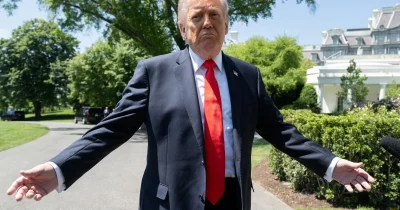
President Trump has issued a 60-day ultimatum for Iran negotiations, threatening to end talks without a swift Iranian response. This geopolitical development carries significant implications for global oil markets, currency valuations, and broader macroeconomic stability that directly affect cryptocurrency price movements and investor risk appetite.
Trump's 60-day deadline for Iran negotiations represents a high-stakes diplomatic maneuver with far-reaching consequences beyond traditional political spheres. The ultimatum signals reduced patience for prolonged diplomatic engagement and increases the probability of escalating geopolitical tensions if Iran does not demonstrate substantive commitment to negotiating terms favorable to the U.S. position. This compressed timeline creates uncertainty around potential outcomes, ranging from breakthrough agreements to renewed sanctions or military posturing.
Historically, U.S.-Iran tensions have triggered significant market volatility. Previous sanctions regimes and regional conflicts have repeatedly sent crude oil prices spiking, which cascades through energy-dependent economies and influences inflation expectations. The geopolitical risk premium directly impacts crypto markets, as investors reassess macroeconomic conditions and seek alternative value stores during periods of heightened uncertainty. Bitcoin and other cryptocurrencies frequently benefit from geopolitical instability as flight-to-safety assets, though initial market reactions often reflect broader risk-off sentiment.
The 60-day window creates a defined event risk that traders and institutional investors must price into their portfolios. Oil market movements will be critical to monitor, as sustained price increases could accelerate inflation concerns and influence Federal Reserve policy expectations. This, in turn, affects cryptocurrency valuations, particularly in relation to traditional risk assets. Crypto investors should track negotiations progress closely and monitor oil futures prices as leading indicators of geopolitical stress.
Looking ahead, market participants should watch for Iranian statements responding to the deadline, any escalation in regional military activity, and corresponding oil price movements. The intersection of diplomatic deadlines with economic data releases could create compounded volatility across asset classes.
- →Trump's 60-day Iran negotiation deadline increases geopolitical risk and creates defined event uncertainty through mid-2025
- →Escalating U.S.-Iran tensions historically trigger oil price spikes, which influence inflation expectations and cryptocurrency valuations
- →Crypto markets typically respond to geopolitical crises with increased volatility and flight-to-safety demand for alternative assets
- →Oil futures prices serve as leading indicators for the severity of geopolitical risk priced into markets
- →Investors should monitor Iranian diplomatic responses and regional military activity as critical variables affecting macro asset allocation