
Democrats fail to block Trump’s Iran actions, peace deal by April 22 uncertain
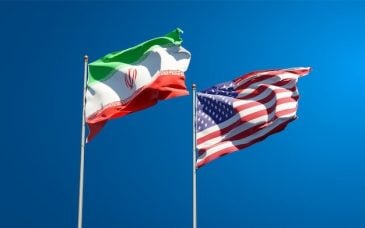
Democrats failed to block Trump's military actions against Iran, creating uncertainty around potential peace negotiations with a deadline of April 22. The inability to impose legislative constraints on executive military authority may complicate diplomatic efforts and increase geopolitical volatility in the Middle East.
The Democratic opposition's failure to constrain Trump's military decisions represents a significant shift in the balance of power between Congress and the executive branch on foreign policy matters. This outcome reflects the current political alignment in Washington, where Republicans control the legislative agenda and Democratic attempts at oversight have proven ineffective. The inability to restrict military actions undermines potential diplomatic channels and signals to Iran that the U.S. government may lack internal consensus on negotiation timelines, potentially weakening America's negotiating position.
Historically, U.S.-Iran relations have swung dramatically between confrontation and engagement depending on administration priorities. The uncertain peace deal deadline of April 22 suggests active negotiations are underway, but the lack of congressional constraint on military escalation creates a precarious environment. Trump's previous withdrawal from the JCPOA demonstrates his willingness to abandon multilateral agreements, and without legislative guardrails, similar unilateral actions remain possible.
For financial markets, geopolitical instability in the Middle East typically drives oil price volatility and risk-off sentiment. Cryptocurrency markets often benefit from uncertainty and capital flight concerns, though sustained conflict scenarios tend to create broader market turbulence. The April 22 deadline creates a specific risk window where market participants should monitor diplomatic progress closely. Energy stocks and defense contractors may experience upside pressure, while traditional safe havens like gold and certain crypto assets could attract hedging demand if tensions escalate further.
- →Democrats' legislative failure to limit Trump's military actions removes a constraint on executive decision-making regarding Iran.
- →April 22 peace deal deadline creates a specific timeframe for monitoring diplomatic progress and potential escalation risks.
- →Middle East instability typically increases oil volatility and can drive both risk-off and crypto hedging demand.
- →Without congressional oversight, unilateral military or diplomatic decisions remain possible under current leadership.
- →Geopolitical uncertainty may present trading opportunities in energy markets and defensive asset classes.