
Trump says he won’t unfreeze Iran’s assets before peace deal, and crypto markets are paying attention
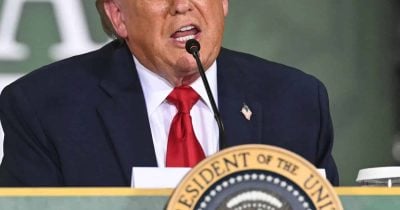
Former President Trump has stated he will not unfreeze Iranian assets prior to reaching a peace agreement, a geopolitical stance that is creating ripple effects across cryptocurrency markets. The hardline position has increased market volatility and investor uncertainty as traders assess potential implications for global stability and risk assets.
Trump's refusal to unfreeze Iran's assets before a peace deal represents a significant geopolitical hardline that extends beyond traditional diplomacy into financial markets. This stance signals a continuation of maximum pressure tactics, which historically correlate with increased geopolitical risk premiums across asset classes. The connection to cryptocurrency markets reflects how digital assets have become a barometer for broader macroeconomic and geopolitical uncertainty.
The context here involves decades of U.S.-Iran tensions, economic sanctions, and asset freezes dating back to the 1979 revolution. Trump's previous Iran policy focused on economic isolation through the "maximum pressure" campaign. By rejecting asset unfreezing without diplomatic concessions, Trump signals his administration may pursue similarly aggressive approaches, creating a risk environment that extends beyond traditional markets.
Crypto markets are responding because digital assets serve as hedges against geopolitical instability and currency devaluation. When geopolitical tensions rise, investors seek alternative stores of value, typically driving demand for Bitcoin and other cryptocurrencies. The increased volatility observed reflects traders pricing in uncertainty about global stability, potential sanctions escalation, and broader macroeconomic consequences.
Investors should monitor developments in Iran negotiations, U.S. foreign policy announcements, and sanctions regimes. Crypto market movements linked to geopolitical events tend to be sharp but potentially volatile, making this an environment requiring active risk management rather than passive holding strategies.
- →Trump's conditional stance on Iranian assets signals continued maximum pressure diplomatic strategy with ripple effects across risk assets
- →Cryptocurrency markets show heightened volatility as traders price in geopolitical uncertainty and potential global instability
- →Digital assets are functioning as safe-haven alternatives amid elevated international tensions and potential sanctions escalation
- →Investors should implement active monitoring of Iran-related diplomatic developments and U.S. foreign policy announcements
- →Geopolitical risk premiums are expected to remain elevated until tangible progress toward resolution emerges