
Trump orders Iran briefing as Bitcoin opens at lowest point since April 13
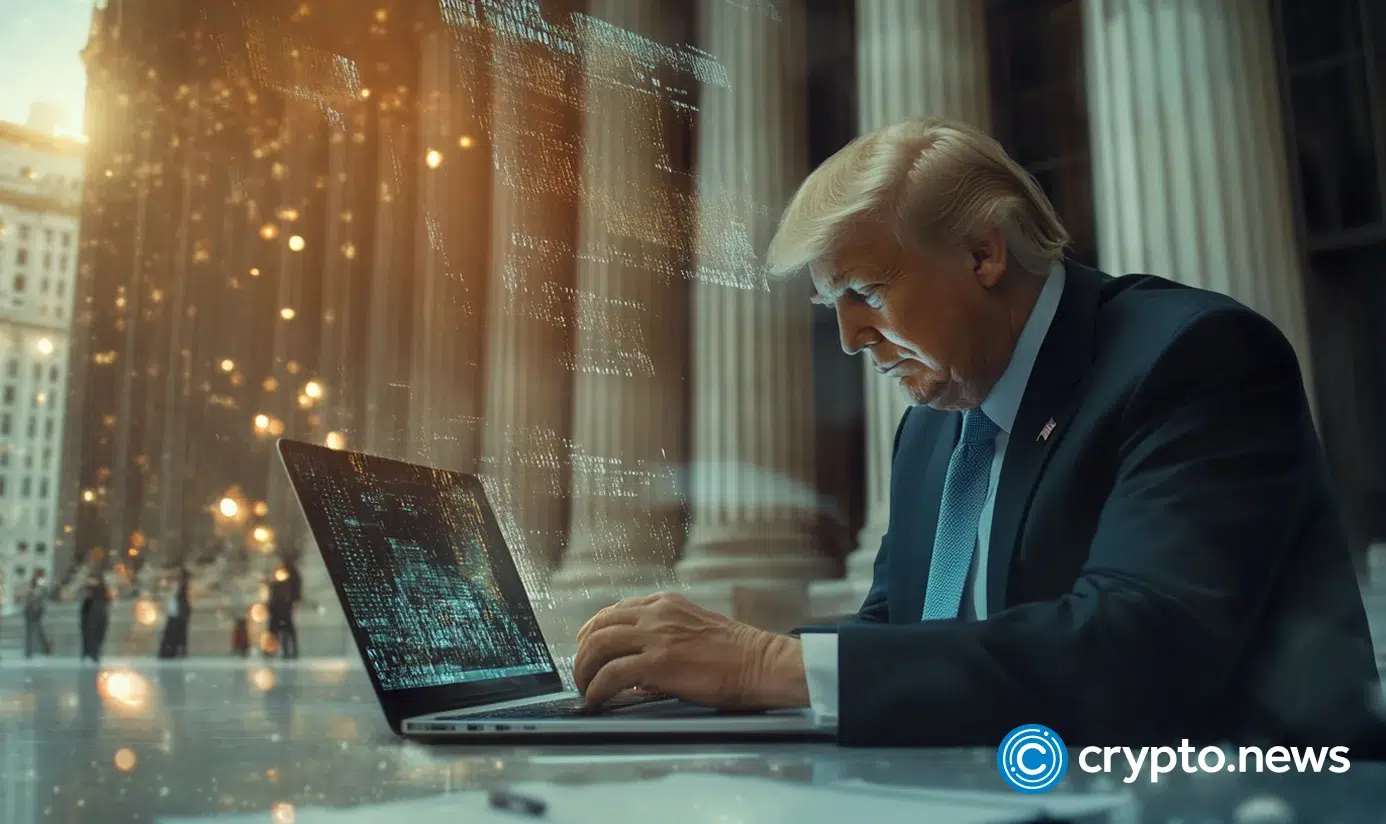
President Trump is receiving a military briefing on potential Iran military operations while Bitcoin trades at its lowest level since mid-April, highlighting the correlation between geopolitical tensions and cryptocurrency volatility. The concurrent developments underscore how macroeconomic and geopolitical uncertainty continue to influence digital asset pricing.
The timing of Trump's Iran briefing alongside Bitcoin's decline to April 13 lows reveals the persistent relationship between geopolitical risk and cryptocurrency markets. When military tensions escalate, investors typically retreat to traditional safe-haven assets like the US dollar and Treasury bonds, creating downward pressure on risk assets including Bitcoin. The briefing encompasses multiple escalation scenarios—from infrastructure strikes to naval operations in the Strait of Hormuz—each carrying distinct implications for global stability and energy markets.
Historically, Middle East tensions have created sustained volatility in crypto markets. The 2020 Soleimani assassination triggered similar risk-off sentiment across digital assets. Bitcoin's current weakness suggests markets are pricing in elevated geopolitical risk, though the asset has traditionally recovered as initial tensions resolve or fail to materialize into sustained conflict.
For cryptocurrency investors and traders, this dynamic presents both risk and opportunity. Prolonged Iran tensions could suppress Bitcoin and other risk assets further, but overextension of military commitments by the US might ultimately prove inflationary, supporting long-term crypto narratives around currency debasement. Energy markets represent another consideration—any disruption to Hormuz shipping lanes could spike oil prices, potentially constraining Federal Reserve flexibility and affecting broader asset allocation decisions.
Market participants should monitor official statements from Iranian and US officials, CENTCOM updates, and oil price movements as proxies for escalation risk. Bitcoin's behavior around these geopolitical checkpoints will likely remain sensitive until tensions definitively resolve or demonstrate durability.
- →Trump's Iran briefing coincides with Bitcoin declining to its lowest point since April 13, reflecting risk-off market sentiment
- →Geopolitical tensions in the Middle East historically create downward pressure on cryptocurrency valuations as investors rotate toward safe-haven assets
- →The Strait of Hormuz represents a critical chokepoint where military escalation could spike oil prices and reshape macro conditions
- →Sustained Iran tensions could extend Bitcoin weakness, but eventual resolution might support crypto if geopolitical risk premia compress
- →Cryptocurrency traders should monitor official military and diplomatic communications as near-term price catalysts