
Trump claims Iran deal is ‘unconditional surrender,’ asserts unlimited power
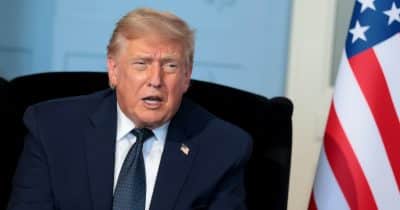
Trump's critical statements about the Iran deal reveal ongoing geopolitical tensions that directly impact cryptocurrency markets. The article underscores how crypto assets, despite claims of being uncorrelated, remain sensitive to major political and international developments.
Trump's characterization of the Iran deal as 'unconditional surrender' represents a continuation of hawkish foreign policy rhetoric that has historically created market volatility across multiple asset classes, including cryptocurrencies. The statement reflects escalating geopolitical tensions in the Middle East, a region whose stability significantly influences global risk sentiment and energy markets.
Cryptocurrencies have long been marketed as uncorrelated assets, insulated from traditional macroeconomic and geopolitical factors. However, this Iran deal commentary demonstrates that crypto markets respond measurably to major political events and international tensions. When geopolitical risks rise, investors often reassess portfolio allocations, including cryptocurrency holdings, as part of broader risk management strategies. The asset class exhibits strong correlation with broader market sentiment during crisis periods, particularly when sanctions or international conflicts threaten global economic stability.
For crypto investors and traders, geopolitical developments carry material implications for market direction. Heightened tensions typically trigger flight-to-safety behavior, where capital flows toward traditional safe havens rather than speculative assets. Conversely, concerns about currency debasement or international sanctions can drive interest in decentralized, borderless assets like Bitcoin and Ethereum. The Iran sanctions context is particularly relevant, as cryptocurrency has historically served as a tool for circumventing financial restrictions in sanctioned economies.
Market participants should monitor escalating rhetoric around Iran policy as a potential volatility driver. Additionally, this pattern reinforces that cryptocurrency's correlation profile shifts dynamically based on macroeconomic and geopolitical contexts, challenging the narrative of complete independence from traditional markets.
- →Geopolitical tensions directly influence cryptocurrency market movements despite the asset class's marketed uncorrelated status
- →Trump's Iran deal criticism reflects ongoing Middle East tensions that affect global risk sentiment and crypto valuations
- →Heightened international tensions typically trigger flight-to-safety behavior that redirects capital away from speculative assets
- →Cryptocurrency's utility in sanctions-evasion contexts makes geopolitical developments strategically relevant for crypto markets
- →Investors must recognize crypto's dynamic correlation with macro events rather than treating it as consistently uncorrelated