
Trump negotiates deal to reopen Strait of Hormuz, start Iran nuclear talks
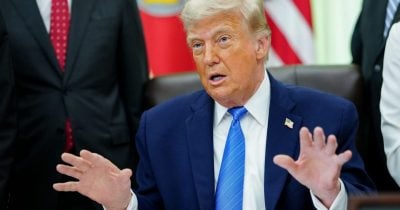
Trump is negotiating a deal to reopen the Strait of Hormuz and restart Iran nuclear talks, potentially reducing regional tensions and shifting Middle East policy toward diplomacy. While the agreement could stabilize global energy markets and reduce geopolitical risk premiums, unresolved issues and maritime security concerns present significant obstacles to implementation.
The reported negotiations between the Trump administration and Iran represent a significant diplomatic shift in Middle Eastern policy. The Strait of Hormuz, through which approximately 21% of global petroleum passes, has been a flashpoint for regional tensions and sanctions-related disruptions. A successful agreement to reopen shipping lanes and restart nuclear negotiations could substantially reduce energy price volatility and geopolitical risk premiums embedded in commodity and financial markets.
Historically, Iran sanctions and regional conflicts have created uncertainty in oil markets, indirectly affecting crypto and broader financial asset valuations. The previous U.S. withdrawal from the JCPOA in 2018 and subsequent maximum pressure campaign contributed to elevated energy costs and inflation concerns that influenced Federal Reserve policy and asset valuations across sectors. A diplomatic reopening signals potential de-escalation after years of heightened tensions.
For cryptocurrency and digital asset markets, reduced geopolitical risk typically correlates with lower flight-to-safety demand and potentially reduced volatility. Energy-intensive operations like Bitcoin mining benefit from stable, predictable energy prices. Conversely, the negotiation process remains fragile—unresolved nuclear, ballistic missile, and regional proxy concerns could derail progress. Maritime security incidents in the Strait have previously triggered oil price spikes that ripple through macro markets.
Key variables to monitor include the timeline for sanctions relief, verification mechanisms for nuclear compliance, and reactions from regional allies. Success could stabilize Middle Eastern energy markets and reduce macro uncertainty, while failure could trigger sharp market repricing and renewed safe-haven demand across cryptocurrencies.
- →Strait of Hormuz reopening would stabilize global energy markets and reduce geopolitical risk premiums affecting all asset classes
- →Restarted Iran nuclear talks represent diplomatic shift away from maximum pressure policy pursued since 2018
- →Cryptocurrency markets may experience reduced volatility if geopolitical tensions ease and macro uncertainty declines
- →Implementation faces significant obstacles including unresolved nuclear, ballistic missile, and regional security issues
- →Energy price stability benefits mining operations and reduces macro inflation concerns that influence Fed policy