
Trump ties Hormuz blockade lift to Iran deal, market reacts
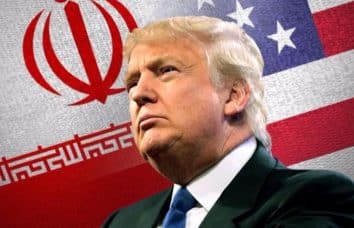
Trump has linked the resolution of a potential Strait of Hormuz blockade to progress on an Iran nuclear deal, a stance that escalates geopolitical tensions and reduces near-term prospects for diplomatic de-escalation. This development dampens market confidence in a swift resolution to Middle East tensions, creating headwinds for risk assets including cryptocurrencies sensitive to broader macroeconomic stability.
Trump's conditional approach to resolving the Hormuz blockade situation represents a hardening of U.S. negotiating posture toward Iran. By tying blockade resolution to nuclear deal terms, the administration signals it will maintain pressure across multiple fronts rather than pursue compartmentalized negotiations. This strategy prioritizes leverage-building over immediate de-escalation, a shift that carries significant implications for global markets.
The Strait of Hormuz handles roughly one-third of global maritime oil trade, making any sustained blockade threat a systemic risk factor. Historical precedent shows that escalatory rhetoric around energy chokepoints triggers risk-off behavior across asset classes. Previous Iranian tensions in 2019-2020 drove oil volatility that rippled through cryptocurrency markets, as investors reassess macroeconomic outlooks during geopolitical uncertainty.
Crypto markets respond predictably to geopolitical stress signals. Bitcoin and other risk assets typically decline when tensions rise, as institutional capital rotates toward safe havens like U.S. Treasuries and gold. The reduced timeline for peaceful resolution extends the period of elevated uncertainty, keeping risk premiums elevated and potentially suppressing risk appetite across cryptocurrency markets through the near term.
Market participants should monitor diplomatic channels closely for any breakthrough signals. Conversely, further escalatory statements or military posturing could trigger sharp selloffs in risk assets. The interconnection between Middle East geopolitics and cryptocurrency volatility means this standoff warrants sustained attention from traders positioning for broader macro shifts.
- →Trump conditions Hormuz blockade resolution on Iran nuclear deal progress, signaling prolonged negotiation rather than near-term de-escalation.
- →Strait of Hormuz disruptions historically trigger oil volatility and risk-off behavior affecting cryptocurrency valuations.
- →Extended geopolitical uncertainty typically suppresses institutional risk appetite, creating headwinds for crypto markets.
- →Previous Iranian tensions in 2019-2020 demonstrate the propagation mechanism from geopolitical events to crypto market volatility.
- →Market participants should establish monitoring protocols for diplomatic developments and military escalation signals as leading indicators.