
Trump signs interim deal with Iran, initiating 60-day negotiation period
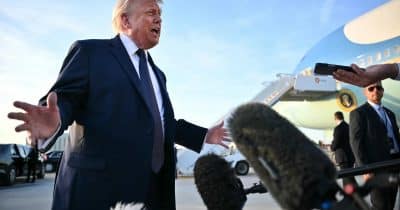
President Trump has signed an interim deal with Iran that initiates a 60-day negotiation period. The agreement could reshape global oil markets, influence monetary policies, and introduce new frameworks for cryptocurrency regulation as sanctions relief becomes a possibility.
Trump's interim agreement with Iran represents a significant shift in U.S.-Iran relations with substantial macroeconomic implications. The 60-day negotiation window creates a critical period where both parties will determine the terms of broader sanctions relief. This development carries weight beyond geopolitics—oil price stability directly influences inflation metrics, central bank monetary policy decisions, and consequently, digital asset valuations. Historically, sanctions regimes have pushed nations toward alternative financial systems, and Iran has shown interest in cryptocurrency as a workaround to traditional banking restrictions. The potential easing of sanctions could paradoxically reduce crypto adoption pressure in Iran while simultaneously opening legitimate channels for Iranian financial participation in global markets.
The deal's implications extend to crypto regulation frameworks. As sanctions relief discussions progress, policymakers worldwide may recalibrate their approach to financial controls, anti-money laundering standards, and cross-border transaction monitoring. This creates both risks and opportunities: stricter regulatory oversight could accompany sanctions relief, or emerging markets might gain more crypto-friendly policies as alternatives to traditional finance become more accessible.
For cryptocurrency markets, the primary concern involves oil price dynamics. Lower energy costs could reduce inflation expectations, potentially supporting risk assets including crypto. However, increased geopolitical predictability often triggers profit-taking in safe-haven assets like Bitcoin. The 60-day window creates uncertainty during negotiations, which historically increases volatility across all asset classes. Investors should monitor announcement timelines and any statements regarding digital asset policies within broader sanctions relief frameworks.
- →Iran sanctions relief could reshape global oil prices and influence monetary policy decisions affecting crypto valuations
- →The 60-day negotiation period creates a window of geopolitical uncertainty that typically increases market volatility
- →Iran's historical interest in cryptocurrency as a financial alternative may diminish if traditional sanctions are lifted
- →Broader sanctions relief discussions could establish precedents for crypto regulation and cross-border transaction frameworks
- →Oil price stability from normalized Iran relations could reduce inflation pressures, potentially supporting risk assets