
Trump says Strait of Hormuz will open immediately under Iran deal, Bitcoin rallies on de-escalation hopes
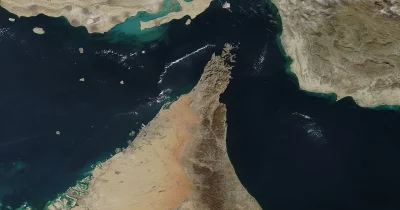
Trump signals that a potential Iran deal could immediately open the Strait of Hormuz, a critical global shipping chokepoint, prompting Bitcoin to rally on de-escalation sentiment. The development highlights how geopolitical tensions directly influence cryptocurrency markets as investors seek refuge from traditional financial instability.
Geopolitical tensions in the Middle East have long served as a catalyst for cryptocurrency adoption and price appreciation. The Strait of Hormuz, through which roughly 20% of global petroleum passes, represents a critical vulnerability in international trade infrastructure. Trump's statement regarding immediate opening of the strait under a new Iran deal suggests potential resolution of years-long tensions, reducing geopolitical risk premiums that typically benefit safe-haven assets like Bitcoin.
Historically, periods of escalating U.S.-Iran tensions correlate with Bitcoin volatility and capital flows into digital assets as investors hedge against traditional market disruptions and currency devaluation. Previous sanctions regimes and blockade threats triggered similar Bitcoin rallies as traders anticipated supply chain disruptions and currency instability. The current de-escalation narrative reverses this dynamic, suggesting reduced demand for geopolitical hedging.
Bitcoin's rally on this news reflects investor confidence that improved trade relations could stabilize macroeconomic conditions globally. However, the cryptocurrency's response also underscores its evolving role beyond speculation—functioning as a hedge against geopolitical uncertainty and financial system stress. If the Iran deal materializes, normalized oil markets and reduced shipping premiums could lower inflation expectations, potentially benefiting risk assets across the board.
Investors should monitor whether this de-escalation proves durable or represents temporary optimism. Sustained diplomatic progress could reduce Bitcoin's geopolitical risk premium, while any deal collapse would likely trigger renewed safe-haven demand. The relationship between international trade stability and cryptocurrency valuations continues strengthening as Bitcoin establishes itself as an alternative payment mechanism outside traditional finance.
- →Trump's Iran deal proposal signals potential Strait of Hormuz opening, reducing geopolitical supply-chain risks that typically support Bitcoin valuations.
- →Bitcoin rallied on de-escalation sentiment, demonstrating cryptocurrency's role as a geopolitical hedge against trade disruptions and currency instability.
- →Normalized Middle East relations could lower inflation expectations and reduce demand for safe-haven assets if the deal materializes.
- →The Strait of Hormuz controls roughly 20% of global petroleum trade, making any deal highly significant for international commerce and energy markets.
- →Investors should watch for deal durability—any collapse would likely trigger renewed Bitcoin demand as a hedge against renewed geopolitical uncertainty.