
Donald Trump signals possible Iran deal, oil prices fall and stocks rise
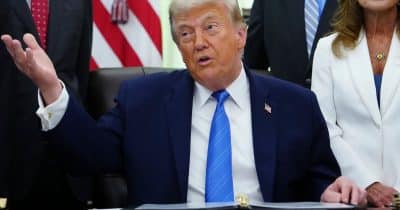
Donald Trump's signals of a possible Iran deal have triggered market optimism, driving oil prices lower and stock indices higher. However, Iran's cautious stance suggests uncertainty remains around the timing and terms of any agreement, limiting immediate economic impacts.
Trump's diplomatic overture toward Iran represents a potential shift in geopolitical tensions that have shaped commodity markets for years. Oil prices typically respond inversely to peaceful resolution signals, as sanctions relief and normalized trade reduce supply constraints. The market's immediate reaction—falling oil and rising equities—reflects investor expectations of lower energy costs and reduced geopolitical risk premiums embedded in valuations.
The historical context matters considerably. U.S.-Iran tensions have escalated and de-escalated multiple times since Trump's 2018 withdrawal from the Joint Comprehensive Plan of Action (JCPOA). Each cycle creates volatility in energy markets and broader risk sentiment. The cryptocurrency market, while not explicitly mentioned, typically responds favorably to geopolitical de-escalation as reduced macro uncertainty encourages risk-on behavior across alternative assets.
For market participants, falling oil prices have competing effects. Lower energy costs support corporate margins and consumer spending, boosting equities. Yet crypto investors should monitor whether this translates to broader risk appetite or if it represents a temporary reprieve. The crypto market's correlation with risk assets means sustained geopolitical stability could encourage capital flows toward alternative investments.
The critical variable is Iran's response. Their cautious stance suggests skepticism about negotiation terms or Trump's commitment post-election. Any collapse in talks would reverse these gains quickly. Investors should watch for concrete diplomatic progress, including direct negotiations, sanctions relief timelines, and international involvement, to gauge whether this signals genuine structural change or cyclical political theater.
- →Trump's Iran deal signals triggered oil price declines and stock market gains, reflecting reduced geopolitical risk premiums
- →Iran's cautious response introduces uncertainty that may limit the duration and magnitude of market impacts
- →Lower oil prices support equity valuations but create mixed signals for risk-asset allocation decisions
- →Cryptocurrency markets typically benefit from geopolitical de-escalation through increased risk appetite and alternative asset demand
- →Investors should await concrete diplomatic milestones and Iran's formal response before adjusting long-term positioning