
Trump announces immediate opening of Strait of Hormuz in Iran deal
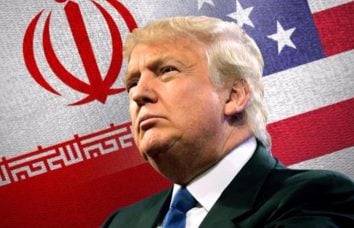
Trump announced an agreement to open the Strait of Hormuz as part of an Iran deal, potentially easing US-Iran tensions. This development could stabilize global oil markets and reshape Middle Eastern diplomacy, with indirect implications for cryptocurrency markets sensitive to geopolitical risk and macroeconomic conditions.
Trump's announcement regarding the Strait of Hormuz represents a significant shift in US-Iran relations after years of escalating tensions. The Strait of Hormuz serves as a critical chokepoint for global oil trade, with approximately 20% of world petroleum passing through it annually. Any disruption or restriction to this waterway creates substantial uncertainty in energy markets, which historically influences broader macroeconomic conditions and investor risk appetite.
The geopolitical context matters considerably. Previous tensions between the US and Iran created recurring concerns about potential blockades or military confrontation, which elevated oil prices and increased market volatility. These periods of heightened uncertainty typically drive investors toward alternative assets, including cryptocurrencies perceived as hedges against traditional market instability. Conversely, de-escalation reduces this safe-haven demand.
For cryptocurrency markets, this development carries mixed implications. Lower oil prices resulting from improved Strait access could reduce inflation pressures and potentially soften expectations for aggressive monetary policy, affecting risk asset valuations broadly. Energy-intensive sectors like proof-of-work mining also benefit from stable oil and energy markets. However, reduced geopolitical risk premium diminishes one narrative supporting crypto adoption as an alternative store of value during periods of international tension.
Investors should monitor how this agreement affects traditional market volatility indicators, energy prices, and broader macroeconomic sentiment. If sustained, normalized trade relations could indicate a less volatile investment environment, potentially redirecting capital flows from defensive positions. The crypto market's response will likely reflect shifts in risk-on sentiment rather than direct impacts from the policy itself.
- →Trump's Strait of Hormuz agreement reduces geopolitical risk premium that previously supported safe-haven asset demand including cryptocurrencies
- →Improved oil trade flow could lower energy prices and reduce inflation concerns, affecting monetary policy expectations and risk asset valuations
- →De-escalation of US-Iran tensions typically correlates with decreased volatility in traditional markets and potential capital reallocation from defensive positions
- →Energy markets stability benefits proof-of-work mining operations through more predictable electricity costs
- →Sustained diplomatic progress would signal a less volatile investment environment, potentially shifting investor demand away from alternative assets