
Trump demands Iran curb Hezbollah, threatens new military strikes
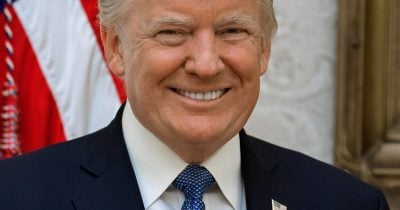
Trump has demanded Iran curb Hezbollah activities and threatened new military strikes, escalating U.S.-Iran tensions. This confrontational posture reduces diplomatic prospects and increases regional instability, with potential downstream effects on global markets and risk assets.
Trump's renewed demands against Iran and threats of military action represent a significant hardening of U.S. foreign policy toward Tehran. This stance signals a departure from diplomatic channels and raises the temperature on Middle Eastern geopolitical risk, a factor that historically influences global asset prices across equities, commodities, and crypto markets.
The backdrop involves longstanding U.S.-Iran tensions rooted in nuclear negotiations, sanctions regimes, and proxy conflicts throughout the Middle East. Hezbollah, designated as a terrorist organization by the U.S., operates extensively in Lebanon and Syria with Iranian backing. Trump's previous administration withdrew from the Iran nuclear deal and imposed maximum sanctions; this rhetoric suggests a return to that confrontational posture rather than engagement.
Geopolitical escalation typically drives investors toward safe-haven assets like gold, bonds, and select cryptocurrencies perceived as uncorrelated to traditional markets. Oil prices may spike due to concerns about regional supply disruptions, which ripples through energy stocks and inflation expectations. Risk-on assets including growth stocks and leveraged positions face headwinds when geopolitical uncertainty rises.
Market participants should monitor whether these threats translate into actual military action or remain rhetorical posturing. Previous false alarms have caused temporary volatility without sustained impact, but genuine escalation could trigger broader market dislocation. The cryptocurrency market's sensitivity to macro uncertainty means traders should watch for flight-to-safety patterns and potential demand spikes for Bitcoin and stablecoins during heightened tension periods.
- →Trump threatens military strikes against Iran while demanding Hezbollah constraints, escalating regional tensions.
- →Geopolitical risk of this magnitude historically correlates with increased volatility across equities, commodities, and crypto.
- →Safe-haven assets including gold and defensive cryptocurrencies may see increased demand amid uncertainty.
- →Oil markets face potential upside pressure from concerns about Middle Eastern supply disruptions.
- →Traders should monitor whether rhetoric converts to military action versus remaining diplomatic posturing.