
Donald Trump announces deal with Iran to eliminate nuclear weapons
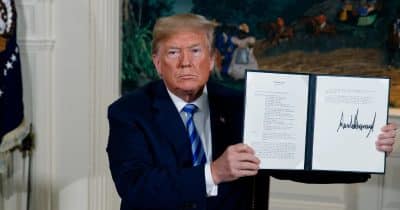
Donald Trump announced a nuclear deal with Iran aimed at eliminating weapons programs, potentially reshaping global geopolitical dynamics and diplomatic relations. The announcement carries significant implications for international security, though ongoing negotiation challenges remain unresolved.
Trump's announcement of a nuclear agreement with Iran represents a major diplomatic pivot with far-reaching consequences for global stability and market sentiment. Historically volatile geopolitical tensions between the U.S. and Iran have created substantial uncertainty affecting energy markets, defense stocks, and risk asset valuations. This deal, if substantiated and implemented, could reduce one of the primary geopolitical risk premiums that has influenced commodity and equity markets for years.
The nuclear negotiation landscape has shifted dramatically since the previous Joint Comprehensive Plan of Action (JCPOA) withdrawal in 2018, which destabilized markets and elevated oil prices. A successful agreement would signal reduced military conflict risk in the Middle East, traditionally a catalyst for flight-to-safety behavior in cryptocurrency and equity markets. De-escalation in U.S.-Iran tensions typically correlates with reduced volatility across risk assets and improved sentiment toward growth-oriented investments.
For cryptocurrency markets specifically, geopolitical de-escalation generally reduces safe-haven demand for traditional hedges, potentially shifting capital allocation patterns. However, the impact remains contingent on deal durability and implementation details. Investors should monitor whether this translates into sustained policy changes or represents temporary diplomatic posturing. Energy markets, particularly crude oil pricing, will provide the most direct indication of market confidence in the agreement's credibility and longevity.
- →Trump announces nuclear weapons elimination deal with Iran, potentially reducing Middle East geopolitical tensions
- →Successful implementation could lower traditional risk premiums affecting energy, equities, and broader market sentiment
- →De-escalation historically correlates with reduced safe-haven demand and potential capital reallocation across asset classes
- →Agreement durability and substantive policy changes remain uncertain amid ongoing negotiation challenges
- →Energy market price movements will serve as primary indicator of investor confidence in deal credibility