
Trump vows to counter nuclear ambitions amid Iran tensions
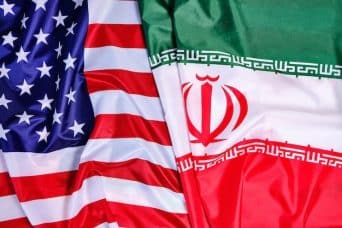
Trump has reiterated his administration's commitment to countering Iran's nuclear ambitions, signaling a hardline military-focused approach rather than diplomatic engagement. This stance risks escalating geopolitical tensions and could destabilize the Middle East region, with potential ripple effects on global markets and risk assets.
Trump's renewed emphasis on military countermeasures against Iran's nuclear program represents a significant shift away from diplomatic channels, prioritizing deterrence through strength over negotiated settlements. This approach resurrects tensions that had been somewhat tempered by previous diplomatic initiatives, creating uncertainty in Middle Eastern geopolitics and affecting broader macroeconomic stability.
Historically, US-Iran tensions have influenced cryptocurrency markets as safe-haven assets, with Bitcoin and gold typically gaining during periods of heightened geopolitical risk. Previous escalations, such as the 2020 Soleimani incident, demonstrated how regional instability can drive flight-to-safety behavior among investors seeking uncorrelated assets. Trump's hardline rhetoric echoes his first-term foreign policy, which consistently prioritized unilateral military posturing over multilateral diplomacy, creating predictable patterns of market volatility.
The cryptocurrency market may experience support from increased geopolitical risk premiums, as institutional investors reposition toward non-correlated assets during periods of elevated tension. However, the broader impact depends on whether rhetoric escalates into military action. Oil price volatility stemming from Iran tensions traditionally creates downstream effects on inflation expectations and macroeconomic sentiment, potentially influencing crypto valuations tied to macro narratives.
Market participants should monitor escalation indicators including IRGC statements, oil price movements, and broader Middle Eastern security developments. Crypto markets may benefit from safe-haven demand, but sustained volatility could challenge derivative markets and leverage positions. The critical variable remains whether tensions remain rhetorical or transition into military confrontation.
- →Trump's military-focused Iran strategy prioritizes deterrence over diplomacy, increasing geopolitical risk in the Middle East.
- →Historical precedent shows US-Iran escalations drive Bitcoin and safe-haven asset demand as investors seek portfolio diversification.
- →Oil price volatility from regional tensions creates macroeconomic uncertainty affecting broader crypto market sentiment.
- →Cryptocurrency markets may experience tactical support from geopolitical risk premiums but face headwinds from macro volatility.
- →Escalation monitoring through energy prices and security indicators remains essential for crypto market positioning.