
Trump vows to take total control of Iran’s oil and gas markets as crypto assets get caught in the crossfire
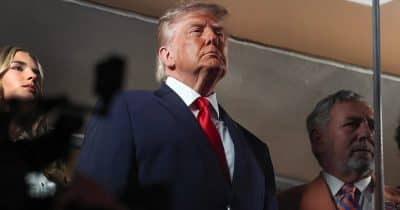
Former President Trump has pledged to gain control of Iran's oil and gas markets, a geopolitical move that threatens to destabilize global energy markets and create collateral damage for cryptocurrency assets through increased regulatory scrutiny and market volatility.
Trump's declaration to control Iran's oil and gas sectors represents an escalation in U.S.-Iran tensions with potential consequences extending far beyond traditional energy markets. Historically, geopolitical conflicts involving major oil producers trigger commodity price spikes and capital flight into alternative assets, including cryptocurrencies. This situation mirrors past instances where sanctions on oil-producing nations have created market uncertainty.
The cryptocurrency sector faces indirect pressure through multiple channels. First, rising oil prices driven by geopolitical tensions increase macroeconomic uncertainty, prompting central banks to maintain restrictive monetary policies that suppress risk asset valuations. Second, energy-focused sanctions regimes often expand scrutiny on financial flows, including crypto transactions, as regulators attempt to prevent sanctions evasion. Iran has historically faced banking restrictions, pushing some economic activity toward decentralized financial systems.
For crypto markets specifically, the crossfire effect manifests as heightened regulatory risk rather than direct impact. Exchanges and platforms face pressure to implement stricter compliance measures to prevent sanctioned entities from accessing crypto markets. This regulatory tightening increases operational costs and reduces market efficiency. Additionally, market volatility stemming from oil price swings correlates with broader risk-off sentiment affecting crypto valuations.
Investors should monitor how this geopolitical development influences U.S. foreign policy announcements and their corresponding impact on sanctions frameworks. The timeline for implementation remains unclear, creating uncertainty that typically pressures volatile assets like cryptocurrencies in the short term while potentially creating long-term regulatory clarity once policies crystallize.
- →Trump's Iran oil control pledges escalate geopolitical tensions affecting global energy markets and regulatory environments
- →Cryptocurrency assets face indirect pressure through sanctions expansion and stricter compliance requirements
- →Rising oil prices from geopolitical uncertainty typically correlate with restrictive monetary policy limiting crypto valuations
- →Regulatory scrutiny on crypto flows increases during sanctions regimes targeting specific nations or entities
- →Market volatility from geopolitical events creates both risks and potential opportunities for strategic investors