
Trump plans to seize control of Iran’s oil infrastructure
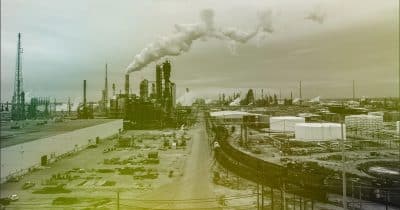
Former President Trump is reportedly planning to seize control of Iran's oil infrastructure, a geopolitical move that could destabilize global energy markets, escalate international tensions, and create macroeconomic uncertainty affecting cryptocurrency valuations and regulatory policy.
Trump's proposed seizure of Iran's oil infrastructure represents a significant escalation in U.S.-Iran relations with far-reaching economic implications. Such a move would constitute an aggressive assertion of control over a critical energy asset in a strategically vital region, challenging international law and OPEC dynamics. The action signals a potential shift toward more confrontational foreign policy that historically precedes broader economic volatility.
This development emerges within the context of longstanding U.S.-Iran tensions, including prior sanctions and the contentious nuclear agreement negotiations. The proposal reflects hardline positioning that prioritizes energy independence and geopolitical dominance. Previous Trump administrations implemented sweeping Iran sanctions that disrupted oil markets and triggered compensatory trading in alternative assets, including cryptocurrency as a hedge against traditional market instability.
The market implications are substantial. Oil price spikes driven by supply uncertainty typically correlate with inflation concerns, central bank policy shifts, and cryptocurrency appreciation as investors seek inflation hedges. Conversely, broader geopolitical conflict can trigger risk-off sentiment that pressures speculative assets. Crypto investors face dual exposure: potential upside from macro instability, but downside from regulatory crackdowns that often accompany international crises.
Regulatory scrutiny intensifies during geopolitical tensions, as governments enhance capital controls and financial monitoring. The cryptocurrency sector's regulatory landscape could tighten significantly if escalating Iran tensions prompt broader sanctions regimes. Investors should monitor oil prices, Treasury yield movements, and official policy announcements for clearer signals on market direction and regulatory intent.
- →Trump's Iran oil seizure plan could trigger energy market disruption and inflation concerns that historically benefit cryptocurrency as a hedge asset.
- →Geopolitical escalation typically prompts governments to implement stricter capital controls, potentially restricting crypto trading and regulatory freedoms.
- →Oil price volatility stemming from this proposal may create correlation shifts between traditional markets and digital assets.
- →The move signals aggressive foreign policy positioning that could reshape international economic relationships and sanctions frameworks affecting financial assets.
- →Crypto investors face competing pressures: macro instability upside versus regulatory crackdown risk during heightened geopolitical tensions.