
Donald Trump threatens to strike Iran’s oil infrastructure tonight, rattling energy and crypto markets
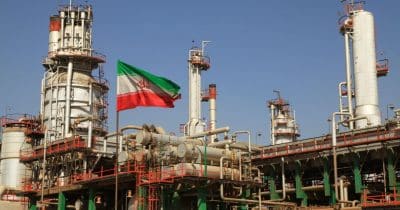
Donald Trump threatened military strikes against Iran's oil infrastructure, a geopolitical escalation that has triggered volatility across energy and cryptocurrency markets. The threat raises concerns about potential supply disruptions, inflationary pressure, and increased macro uncertainty that typically drives crypto investors toward alternative assets.
Trump's threat to target Iran's oil infrastructure represents a significant geopolitical escalation with cascading effects across multiple asset classes. The direct threat of military action against critical energy infrastructure signals heightened tensions in the Middle East, a region responsible for roughly one-third of global oil production. This type of geopolitical risk premium typically manifests in energy markets through higher crude prices, which feeds into inflation concerns and reduces purchasing power across developed economies.
Historically, geopolitical crises involving Middle Eastern energy supplies have created safe-haven demand for alternative assets, including cryptocurrencies. During periods of elevated geopolitical risk, investors seek to diversify away from traditional currency exposure and toward assets perceived as censorship-resistant or independent from government intervention. Bitcoin and other cryptocurrencies have demonstrated correlation with risk-off sentiment when combined with macro uncertainty, though the relationship remains complex.
The market implications split across several dimensions. Higher energy prices constrain central bank flexibility on interest rate policy, potentially supporting risk assets in the medium term if inflation remains elevated. Conversely, the immediate uncertainty could trigger volatility across crypto markets as traders reassess macro conditions and positioning. Oil markets face the most direct impact, with potential supply shocks creating price discovery challenges.
Investors should monitor escalation indicators and official communications from both the U.S. and Iran, as rhetoric often precedes or fails to precede actual military action. Energy sector stocks, crude futures, and volatility indices will provide real-time market assessment of actual risk materialization versus priced-in speculation.
- →Trump's threat to strike Iran's oil infrastructure introduces acute geopolitical risk to global energy and macro markets.
- →Higher oil prices from supply disruption concerns could accelerate inflation and constrain monetary policy flexibility.
- →Cryptocurrencies may experience increased volatility as investors recalibrate macro risk exposure amid geopolitical uncertainty.
- →The actual market impact depends on whether threats escalate to military action or remain diplomatic posturing.
- →Energy sector equities and crude futures will serve as primary indicators of real versus speculative risk pricing.