
Trump claims peace agreement with Iran ends Strait of Hormuz conflict
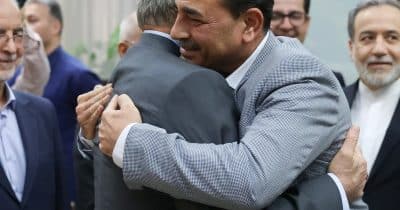
Trump announces a peace agreement with Iran aimed at resolving tensions in the Strait of Hormuz, a critical global oil transit route. The deal could stabilize energy markets but faces uncertainty around nuclear negotiations and verification mechanisms.
The reported Trump-Iran peace agreement represents a significant geopolitical development with direct implications for global energy markets and cryptocurrency volatility. The Strait of Hormuz, through which roughly 30% of global seaborne oil transits, has been a flashpoint for regional tensions that periodically spike oil prices and create macroeconomic uncertainty. A stabilization of this chokepoint could reduce energy price volatility and lower long-term inflation pressures.
Historically, Iran-related sanctions and military escalations in the Middle East have driven oil price spikes, which inversely correlate with risk asset valuations including cryptocurrencies. The 2020 Soleimani assassination and subsequent retaliatory strikes sent crude oil to $65 and temporarily depressed crypto markets. De-escalation in this region typically benefits risk assets by reducing macroeconomic tail risks and supporting investor appetite for growth-oriented assets.
For the crypto industry, lower oil prices and reduced geopolitical risk premiums could moderate inflation expectations, potentially easing pressure on central banks to maintain hawkish monetary policies. This improved macro backdrop would be constructive for digital assets that perform better in lower-rate environments. However, the agreement's durability depends on compliance verification and resolving underlying nuclear enrichment disputes—areas where diplomatic agreement has historically proven fragile.
Investors should monitor whether this agreement survives implementation scrutiny and whether oil markets price in sustained de-escalation. Any breakdown in negotiations or surprise military escalation could rapidly reverse these benefits.
- →Iran peace agreement could stabilize the Strait of Hormuz and reduce oil price volatility with positive spillovers for risk assets
- →Lower energy prices support disinflationary trends that improve outlook for interest-rate sensitive assets like cryptocurrency
- →Agreement success hinges on nuclear compliance mechanisms that have historically proven difficult to enforce
- →Regional escalation remains possible if diplomatic negotiations deteriorate or verification breaks down
- →Crypto markets could benefit from reduced geopolitical risk premium and improved macroeconomic conditions