
Trump vows retaliation after Iran shoots down US F-15 jet
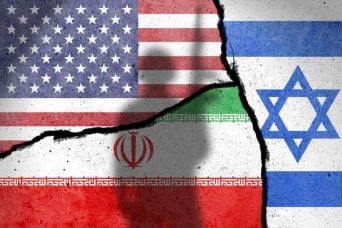
Trump has pledged retaliation following Iran's downing of a US F-15 jet, escalating geopolitical tensions between the two nations. This military confrontation and threat of further action create uncertainty in global markets, as investors reassess risk exposure to oil, equities, and safe-haven assets.
The shooting down of a US military aircraft represents a direct military engagement with significant diplomatic consequences. Trump's retaliatory threat signals potential for military escalation in the Middle East, a region critical to global energy supplies and economic stability. This confrontation reflects ongoing tensions between the US and Iran, rooted in sanctions, nuclear negotiations, and regional proxy conflicts. The rhetoric surrounding potential retaliation creates uncertainty about whether diplomatic channels will prevail or military action will follow.
Geopolitical crises of this magnitude historically trigger market volatility across multiple asset classes. Oil prices typically spike when Middle Eastern tensions escalate, as investors fear supply disruptions from the world's crucial energy-producing region. Equities face headwinds from increased uncertainty, while traditional safe-haven assets like gold and US Treasury bonds attract capital flows. Cryptocurrency markets, increasingly correlated with macro risk sentiment, often react to geopolitical shocks as investors reassess portfolio risk.
For crypto investors and traders, this situation warrants close monitoring of broader market sentiment indicators. Risk-off sentiment from geopolitical escalation typically pushes institutional capital toward traditional hedges, potentially creating downward pressure on risk assets including cryptocurrencies. The duration and intensity of this crisis will determine market impact—limited military response may prove temporary, while sustained escalation could create prolonged volatility affecting both traditional and digital asset classes.
- →Trump's retaliation threat against Iran escalates Middle East tensions with potential spillover effects on global financial markets
- →Oil price volatility likely to increase due to concerns about energy supply disruptions from the region
- →Safe-haven assets including gold and bonds may see increased demand as investors reduce risk exposure
- →Cryptocurrency markets could face downward pressure if geopolitical risk drives broader market risk-off sentiment
- →The extent of actual military response will determine whether this becomes a temporary shock or sustained market headwind