
Trump administration imposes new Iran-related sanctions on six individuals, four entities
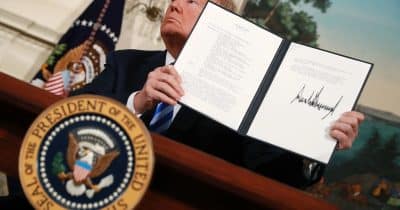
The Trump administration has imposed sanctions on six individuals and four entities with Iran connections, escalating US-Iran tensions and potentially straining diplomatic relations with China. These measures reflect heightened geopolitical friction that could impact global compliance frameworks and cryptocurrency regulatory dynamics.
The Trump administration's latest round of Iran-related sanctions targets a broader network of individuals and entities, signaling an intensification of the administration's hardline stance toward Tehran. This move occurs amid deteriorating US-Iran relations and suggests a strategic pivot toward maximum pressure tactics that extend beyond traditional diplomatic channels. The timing and scope of these sanctions indicate an effort to disrupt financial networks supporting Iran while simultaneously testing international compliance mechanisms.
Historically, US sanctions on Iran have evolved from targeted designations to comprehensive restrictions affecting global trade and financial systems. The inclusion of potential diplomatic friction with China suggests these sanctions may target entities operating in or facilitating transactions through Chinese financial networks. This reflects the broader geopolitical competition between the US and China over influence in Middle Eastern affairs and sanctions enforcement.
For cryptocurrency markets and blockchain-based financial systems, Iran-related sanctions create compliance pressures for exchanges and DeFi platforms operating globally. Exchanges must enhance their Know Your Customer (KYC) and transaction monitoring protocols to identify and block sanctioned entities. The spillover effects could impact financial privacy and cross-border transaction efficiency, particularly for platforms with Chinese exposure. Additionally, increased scrutiny on Iran-adjacent financial flows may accelerate adoption of advanced compliance technologies and blockchain analytics tools.
Looking ahead, stakeholders should monitor whether additional tranches of sanctions follow and whether enforcement actions extend to cryptocurrency platforms. The intersection of geopolitical tensions and digital finance compliance represents a critical watch point for market participants seeking to understand regulatory trajectories in 2024-2025.
- →Trump administration sanctions six individuals and four entities with Iran connections, escalating US-Iran tensions.
- →Sanctions indicate potential diplomatic strain with China over enforcement cooperation and financial network disruption.
- →Cryptocurrency exchanges face increased compliance obligations to identify and block sanctioned Iranian entities.
- →Global financial networks may experience disruption as platforms implement stricter transaction screening protocols.
- →Sanctions trend suggests continued geopolitical leverage strategies that could reshape international compliance standards.