
Trump maintains hardline stance, dims hope for Iran oil sanction relief
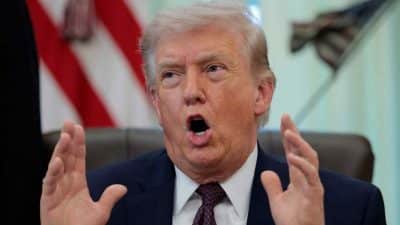
Trump's continued hardline position on Iran sanctions eliminates near-term prospects for sanction relief, sustaining geopolitical tensions that reverberate through global oil markets. This stance complicates diplomatic pathways and creates uncertainty for energy prices and broader macroeconomic conditions affecting cryptocurrency and traditional asset markets.
Trump's refusal to soften Iran sanctions represents a critical juncture in U.S. foreign policy with substantial market implications. The administration's hardline approach maintains existing economic pressure on Iran while closing diplomatic channels that could lead to negotiated relief. This geopolitical rigidity directly impacts crude oil pricing, as market participants weigh the risks of supply disruptions and the potential for regional escalation. The energy sector remains volatile under these conditions, with traders pricing in a risk premium for any Iranian-related developments.
Historically, Trump's first term featured aggressive "maximum pressure" campaigns against Iran that rattled commodity markets. The current stance signals continuity in this approach, preventing the kind of gradual sanctions easing that could stabilize global energy supplies. Oil price uncertainty cascades through macroeconomic forecasting, affecting inflation expectations and central bank policy decisions—factors that directly influence cryptocurrency valuations and investor risk appetite.
For crypto markets, elevated geopolitical tensions typically drive both flight-to-safety behaviors and hedging demand. Bitcoin and other digital assets have historically benefited from macroeconomic uncertainty and sanctions-driven capital controls, though broader recession fears can trigger selloffs. Energy-intensive sectors like proof-of-work mining face higher electricity costs if oil prices spike, compressing margins.
Market participants should monitor whether this stance triggers additional sanctions or military posturing that could accelerate oil price volatility. Any escalation beyond the current rhetorical level could trigger broader risk-off sentiment across equities and crypto markets simultaneously.
- →Trump's hardline Iran stance eliminates near-term sanction relief prospects, sustaining geopolitical uncertainty
- →Elevated oil market volatility creates cascading effects on inflation expectations and broader macroeconomic conditions
- →Cryptocurrency markets face mixed pressures: hedging demand versus risk-off selloffs depending on escalation severity
- →Energy-intensive sectors like crypto mining face higher operational costs if oil and electricity prices surge
- →Investors should monitor escalation signals beyond rhetoric that could trigger sharp market repricing across asset classes