
Trump threatens to block Iranian negotiators amid Strait of Hormuz tensions
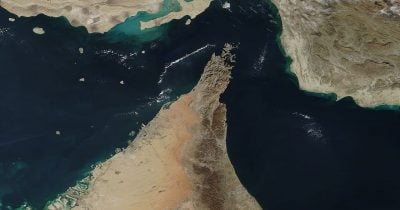
Trump's threats to block Iranian negotiators amid escalating Strait of Hormuz tensions signal a hardline geopolitical stance that risks military escalation and disruption to global oil markets. This development complicates diplomatic pathways and creates uncertainty in energy markets, which indirectly affects cryptocurrency volatility through macroeconomic channels.
Trump's hardline positioning toward Iran represents a significant escalation in geopolitical risk, particularly given the strategic importance of the Strait of Hormuz to global energy flows. The threat to block Iranian negotiators signals a preference for confrontation over dialogue, potentially reversing any diplomatic progress and increasing the likelihood of military incidents in one of the world's most critical shipping corridors. Roughly 21% of global petroleum passes through this waterway, making any disruption a matter of international concern.
This situation emerges amid a broader pattern of U.S.-Iran tensions that have periodically intensified since the 2015 nuclear deal withdrawal. The current stance reflects a maximalist approach that prioritizes pressure over negotiation, creating unpredictability for global markets. Historical precedent shows that Middle Eastern tensions directly correlate with oil price spikes, which trigger broader macroeconomic stress and affect risk asset valuations.
For cryptocurrency markets, geopolitical instability typically creates secondary effects through oil price movements and inflation concerns. Energy price shocks ripple through equity markets and alter Federal Reserve policy expectations, influencing interest rates and capital flows into digital assets. Investors increasingly view Bitcoin and other cryptocurrencies as macro hedges during periods of geopolitical uncertainty, though short-term volatility typically increases as markets digest headline risk.
Market participants should monitor escalation indicators including military posturing statements, tanker incidents, and diplomatic channel closures. Any actual military action would likely trigger significant oil price spikes and market-wide risk-off behavior, potentially creating both volatility opportunities and hedging demands in cryptocurrency markets.
- →Trump threatens to block Iranian negotiators, signaling hardline geopolitical stance over diplomatic resolution
- →Strait of Hormuz disruptions threaten 21% of global oil supply, creating macroeconomic risk for all asset classes
- →Oil price shocks from geopolitical tension flow through equity markets and influence Fed policy expectations
- →Cryptocurrency markets experience secondary effects through macro uncertainty and increased hedging demand
- →Investors should monitor military posturing and shipping incidents as escalation indicators