
Trump dismisses Iran’s military, doubts ceasefire extension
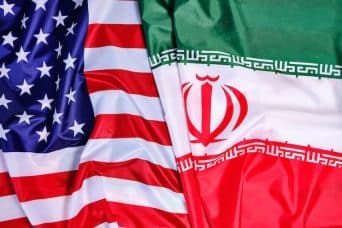
Trump has adopted a hardline stance toward Iran, dismissing its military capabilities and expressing skepticism about extending ceasefire agreements. This geopolitical posturing undermines diplomatic prospects and creates macroeconomic uncertainty that affects broader market confidence, including cryptocurrency and asset markets sensitive to geopolitical risk.
Trump's dismissive rhetoric toward Iran's military and stated doubts about ceasefire extensions signal a continuation of confrontational foreign policy that directly impacts global stability and investor sentiment. By publicly doubting diplomatic solutions, Trump narrows the window for negotiated settlements and increases the probability of escalating tensions in the Middle East—a region critical to global energy markets and macroeconomic stability.
This stance reflects broader geopolitical trends observed throughout recent administrations, where military deterrence is favored over diplomatic engagement. However, such rhetoric carries measurable consequences for risk-on asset classes. Cryptocurrency markets, particularly Bitcoin and Ethereum, historically respond to geopolitical uncertainty by either appreciating as a hedge against currency debasement or declining if broader risk-off sentiment emerges in equities and commodities.
For cryptocurrency investors and traders, escalating geopolitical tension typically triggers flight-to-safety dynamics that can suppress speculative asset valuations in the short term. However, prolonged uncertainty may paradoxically strengthen crypto's value proposition as a non-state-correlated store of value. Energy markets face particular pressure, as any Iran confrontation could restrict oil supplies and trigger inflation concerns—a dynamic that historically supports Bitcoin's narrative as an inflation hedge.
Observers should monitor whether Trump's rhetoric translates into concrete policy actions, sanctions escalation, or military posturing. The credibility gap between statements and actions will determine actual market impact. Additionally, watch how Middle Eastern geopolitical developments influence Fed policy and broader macroeconomic conditions, as these factors indirectly affect cryptocurrency valuations through correlation with traditional markets.
- →Trump's hardline Iran stance increases geopolitical risk premiums across global markets including cryptocurrency
- →Reduced ceasefire prospects elevate Middle East tensions and potential energy market disruptions
- →Cryptocurrency investors should anticipate volatility driven by broader risk-off sentiment and inflation expectations
- →Bitcoin's safe-haven narrative may strengthen if geopolitical uncertainty persists and erodes confidence in traditional assets
- →Market impact depends on whether rhetoric escalates into concrete policy actions rather than diplomatic posturing