
Trump says Israel not involved in US strikes on Iran, crypto markets brace for impact
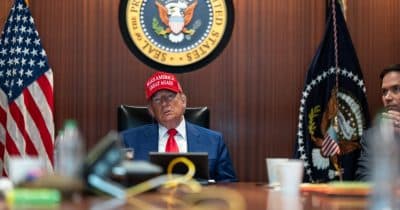
President Trump stated that Israel was not involved in recent US strikes on Iran, as cryptocurrency markets brace for potential volatility from escalating geopolitical tensions. The statement aims to contain the conflict, but crypto investors remain cautious given the historical correlation between Middle East tensions and digital asset price swings.
Geopolitical conflicts in the Middle East traditionally trigger risk-off sentiment across financial markets, and cryptocurrency is no exception. Trump's clarification that Israel was not involved in US strikes on Iran suggests an attempt to prevent further escalation, yet the underlying tensions remain unresolved. This diplomatic nuance matters because direct Israeli involvement would have significantly amplified regional conflict risk, potentially triggering broader market destabilization.
Crypto markets have demonstrated heightened sensitivity to geopolitical events over the past several years. During previous Iran-US tensions, Bitcoin and other major cryptocurrencies experienced notable volatility as investors sought safe-haven assets or reduced risk exposure. The crypto market's 24/7 trading cycle means geopolitical shocks can trigger immediate price movements without the buffer of traditional market open-close periods.
For crypto investors and institutions, these developments underscore the importance of portfolio diversification and risk management strategies. Institutional players increasingly monitor geopolitical indicators as leading signals for market direction. Elevated uncertainty typically benefits assets perceived as stores of value, though flight-to-safety dynamics sometimes benefit traditional assets like gold and US Treasury bonds over cryptocurrencies.
Market participants should monitor several indicators: escalation timelines, US sanctions policies that could affect crypto transactions, and central bank responses to inflation pressures potentially triggered by energy price spikes. The coming weeks will reveal whether this situation stabilizes or intensifies, directly influencing crypto volatility and investor risk appetite.
- →Trump's statement that Israel was not involved in US strikes on Iran suggests an attempt to de-escalate Middle East tensions.
- →Crypto markets historically experience volatility during geopolitical crises due to risk-off sentiment among investors.
- →24/7 trading in cryptocurrency markets means geopolitical shocks trigger immediate price reactions without traditional market delays.
- →Institutional investors use geopolitical indicators as leading signals for portfolio positioning and risk management.
- →Monitoring energy prices, sanctions policies, and central bank actions is critical for predicting near-term crypto market direction.