
Trump hints at renewed strikes on Iran amid nuclear deal uncertainty
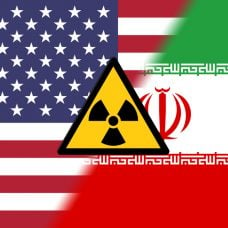
Former President Trump has signaled a more aggressive posture toward Iran, including potential military strikes, amid ongoing uncertainty surrounding the nuclear deal. This escalation raises geopolitical tensions that could destabilize global markets, including cryptocurrency and traditional assets sensitive to conflict risk.
Trump's renewed hawkish rhetoric on Iran represents a significant shift in diplomatic approach, moving away from negotiation-based frameworks toward confrontational positioning. This stance directly challenges the multilateral nuclear agreement and signals potential military intervention, creating uncertainty about Middle Eastern stability and global energy markets. The historical context reveals Trump's previous withdrawal from the Joint Comprehensive Plan of Action (JCPOA) in 2018, followed by years of economic sanctions and regional tensions that have periodically spiked markets. The current rhetoric suggests a return to that confrontational era, with potential for escalation beyond rhetoric into actual military action.
For cryptocurrency and broader financial markets, geopolitical crises function as risk-on versus risk-off triggers. Military conflict in the Middle East traditionally drives flight-to-safety behavior, benefiting assets like Bitcoin as a non-correlated hedge and driving traditional safe havens like gold and Treasury bonds. However, sustained conflict creates macro uncertainty that can trigger sharp volatility across all asset classes. The energy sector, particularly crude oil and natural gas prices, faces direct exposure—any disruption to shipping lanes or production facilities would inflate energy costs globally, pressuring inflationary assets and impacting investment decisions.
The crypto market specifically responds to geopolitical shocks through increased volatility and shifting capital flows. Investors typically reallocate toward decentralized and borderless assets during periods of international tension. However, the broader macro instability from military conflict, sanctions regimes, and supply chain disruptions can create recessionary conditions that suppress risk appetite across markets, including cryptocurrencies. Traders should monitor escalation indicators and central bank responses, as these factors will likely drive market direction more than fundamental developments in the coming months.
- →Trump's aggressive Iran rhetoric signals potential military escalation, moving away from diplomatic frameworks and returning to confrontational policy.
- →Middle East military conflict traditionally triggers flight-to-safety behavior, benefiting Bitcoin and gold while destabilizing energy markets.
- →Sustained geopolitical tension creates macro uncertainty that increases volatility across crypto, equity, and commodity markets simultaneously.
- →Energy prices face direct exposure through potential shipping lane disruptions and sanctions, with ripple effects across global inflation and monetary policy.
- →Investors should monitor escalation indicators and central bank responses as primary drivers of market direction during this geopolitical uncertainty.