
Trump confirms ongoing Iran talks amid Strait of Hormuz tensions
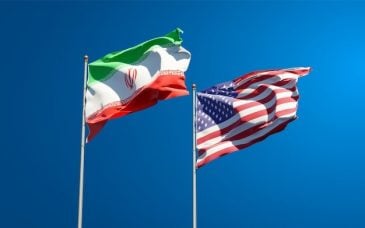
Trump confirms ongoing diplomatic talks with Iran as tensions escalate around the Strait of Hormuz, a critical chokepoint for global energy supplies. The geopolitical friction threatens to destabilize energy markets and create broader economic uncertainty affecting asset valuations across multiple sectors including cryptocurrencies.
US-Iran tensions centered on the Strait of Hormuz represent a critical geopolitical flashpoint with direct implications for global energy markets. Approximately 20-30% of global petroleum passes through this narrow waterway, making it one of the world's most strategically important chokepoints. Trump's confirmation of ongoing talks signals attempts at diplomatic de-escalation, yet the underlying tensions persist and demonstrate the fragility of Middle East stability.
Historically, geopolitical crises in this region have triggered sharp oil price volatility and broader market corrections. The 2019 tanker attacks near the Strait sparked immediate oil price spikes that rippled through equity and commodity markets. Current tensions follow a pattern of escalating rhetoric and military posturing that has characterized US-Iran relations since the 2015 nuclear deal withdrawal. The ongoing negotiation attempts suggest neither side seeks immediate military confrontation, but the risk calculus remains elevated.
Energy market uncertainty directly impacts cryptocurrency markets through multiple channels. Oil price volatility influences inflation expectations, which shape Federal Reserve policy trajectories and interest rate decisions. Higher energy costs increase systemic inflation pressures, potentially accelerating rate hikes that suppress risk asset valuations including digital assets. Additionally, Middle East instability historically triggers safe-haven flows toward commodities and away from growth-oriented investments, creating headwinds for crypto markets during escalation phases.
Investors should monitor diplomatic progress and potential military incidents that could rapidly shift energy prices. A sustained diplomatic resolution would reduce geopolitical risk premiums and stabilize energy markets, supporting broader risk asset recovery. Conversely, any escalation toward military action could trigger significant market dislocations requiring immediate portfolio adjustments.
- →Strait of Hormuz controls 20-30% of global oil exports, making Iran tensions directly relevant to energy market stability
- →Trump's ongoing talks suggest diplomatic engagement, reducing near-term military escalation risk but not eliminating underlying tensions
- →Oil price volatility from geopolitical crises flows through to cryptocurrency valuations via inflation and Fed policy expectations
- →Historical precedent shows Middle East crises trigger sharp asset price dislocations and increased market correlations
- →Investors should monitor diplomatic developments as potential catalysts for significant market moves in energy and risk assets