
Trump announces new US-Iran talks, threatens infrastructure strike
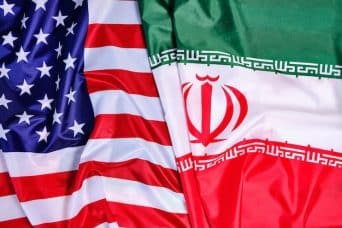
President Trump announced new US-Iran diplomatic talks while simultaneously threatening infrastructure strikes, creating conflicting signals that increase geopolitical uncertainty and market volatility. The mixed messaging undermines confidence in peaceful resolution and amplifies risk sentiment across financial markets, including cryptocurrency.
Trump's announcement of renewed US-Iran negotiations coupled with threats of military action presents a classic diplomatic paradox that markets struggle to price. The simultaneous pursuit of dialogue and military posturing signals either negotiating tactics or genuine policy uncertainty, both of which elevate geopolitical risk premiums across all asset classes. This contradiction directly impacts market sentiment because investors cannot reliably forecast outcomes when official statements contain contradictory signals about US foreign policy direction.
Historically, US-Iran tensions have shaped oil markets and broader macroeconomic conditions since the 2015 nuclear deal's collapse. Each cycle of escalation and de-escalation has produced volatility spikes that ripple through equity, commodity, and cryptocurrency markets. The threat of infrastructure strikes implies potential disruptions to global energy supply chains, which traditionally drives flight-to-safety capital flows toward assets like Bitcoin and gold.
For cryptocurrency markets, geopolitical uncertainty typically generates demand as investors hedge against currency debasement and institutional instability. However, sustained uncertainty without clarity can also trigger risk-off selloffs as traders de-risk portfolios ahead of potential escalation. The crypto market's sensitivity to macro events means this situation creates both opportunity and danger depending on how the situation develops.
Key variables to monitor include official statements from Iranian officials, US military positioning in the Middle East, and oil price movements. Clear de-escalation signals would likely support risk assets, while military action would trigger sharp volatility spikes and potential flight-to-safety dynamics. Markets will remain reactive to any new developments in the coming weeks.
- →Trump's mixed signals on US-Iran policy create pricing uncertainty across financial markets including crypto
- →Threats of infrastructure strikes elevate geopolitical risk premiums and trigger flight-to-safety demand
- →Historical precedent shows US-Iran tensions drive cryptocurrency as a hedge against institutional instability
- →Sustained ambiguity rather than clear escalation or de-escalation tends to produce wider volatility
- →Monitor oil prices and official statements from both nations for early indicators of policy direction