
White House adviser says Trump’s posts show progress on Iran talks
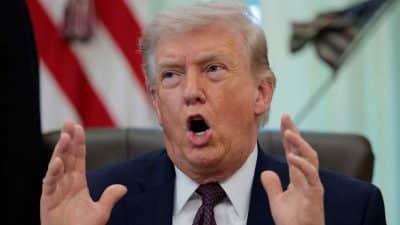
A White House adviser cited Trump's social media posts as evidence of progress in U.S.-Iran diplomatic negotiations, with market volatility reflecting ongoing uncertainty about the talks' trajectory and geopolitical implications.
The invocation of social media communications as diplomatic signals underscores the increasingly unconventional nature of high-stakes international negotiations. When official administration representatives cite public posts as substantive evidence of negotiation progress, it suggests either genuine breakthrough developments or a strategic messaging campaign designed to manage market and geopolitical expectations. This approach differs markedly from traditional back-channel diplomacy, potentially creating information asymmetries where markets struggle to distinguish between actual progress and public relations positioning.
U.S.-Iran relations have long influenced global energy markets and risk sentiment across asset classes, including cryptocurrencies. Historical precedent shows that sanctions escalations drive both oil price spikes and crypto volatility as investors seek alternative stores of value and hedges against currency debasement. The current diplomatic signaling through social platforms may reflect either genuine de-escalation efforts or tactical brinkmanship, both of which carry distinct market implications.
Market volatility in response to these developments indicates investors remain uncertain about the actual state of negotiations and potential outcomes. Risk-on sentiment typically strengthens when geopolitical tensions ease, while risk-off sentiment intensifies amid escalation fears. The reliance on public social media posts rather than formal diplomatic channels suggests negotiations remain fluid and potentially unpredictable.
Investors should monitor official Iranian responses, sanctions announcements, and conventional diplomatic statements for clearer signals about negotiation momentum. Energy market movements and broader macro risk sentiment will likely remain correlated with perception shifts regarding Iran policy, with secondary effects on cryptocurrency valuations through macro risk channels.
- →Trump administration using social media posts as diplomatic signals reflects unconventional negotiation approach with unclear credibility
- →U.S.-Iran relations directly influence energy markets and global risk sentiment with spillover effects on crypto volatility
- →Market uncertainty persists due to information asymmetry between public statements and actual negotiation progress
- →Historical precedent shows Iran-related geopolitical escalation drives both oil prices and cryptocurrency risk hedging behavior
- →Investors should rely on formal diplomatic statements and sanctions policy rather than social media as primary indicators