
Trump announces closure of Strait of Hormuz amid US-Iran tensions
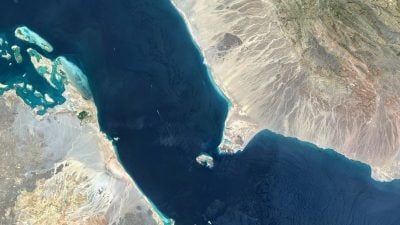
Escalating US-Iran tensions threaten disruption of the Strait of Hormuz, a critical chokepoint for global oil supply. Such a closure would significantly impact energy markets and create broader geopolitical instability with ripple effects across financial markets, including cryptocurrency.
The Strait of Hormuz represents one of the world's most strategically important maritime passages, with approximately 20-30% of global petroleum passing through its waters daily. Any disruption to this corridor directly affects global energy prices and economic stability. Trump's announcement regarding potential closure underscores the escalating nature of US-Iran hostilities, moving beyond rhetoric into concrete policy positions with immediate market implications.
Historically, geopolitical tensions in the Middle East have triggered sharp increases in oil prices, which cascade through energy-dependent sectors worldwide. The current US-Iran dynamic reflects longstanding strategic competition and competing regional interests. Previous tensions in the region have demonstrated how quickly energy supply concerns can translate into broader market volatility, affecting both traditional and digital asset classes.
For cryptocurrency markets, major geopolitical disruptions create dual pressures: flight-to-safety dynamics can redirect capital toward perceived stores of value like Bitcoin, while simultaneous economic uncertainty and potential inflation from energy shocks may create headwinds. Energy price spikes typically precede broader inflation concerns, which can suppress growth-oriented asset classes but occasionally support hard assets and decentralized finance alternatives viewed as inflation hedges.
Investors should monitor the actual implementation timeline and international response mechanisms designed to manage Strait traffic. Early warning signals include shipping insurance rate changes, OPEC production announcements, and central bank communications regarding inflation expectations. The situation remains fluid, with potential diplomatic interventions that could alter current trajectories.
- →Strait of Hormuz disruption would immediately impact 20-30% of global oil supply with cascading economic consequences
- →Energy price spikes from geopolitical crises historically trigger volatility across traditional and cryptocurrency markets
- →Bitcoin and hard assets may benefit from flight-to-safety dynamics during Middle East instability
- →Inflationary pressure from energy supply shocks typically pressures growth assets while supporting store-of-value narratives
- →Market impact depends heavily on whether tensions escalate to actual blockade implementation versus remaining diplomatic