
US Political News: Trump Threatens to Hit Iran’s Power Grids and Water Plants and Why This Escalation Could Rattle Global Markets
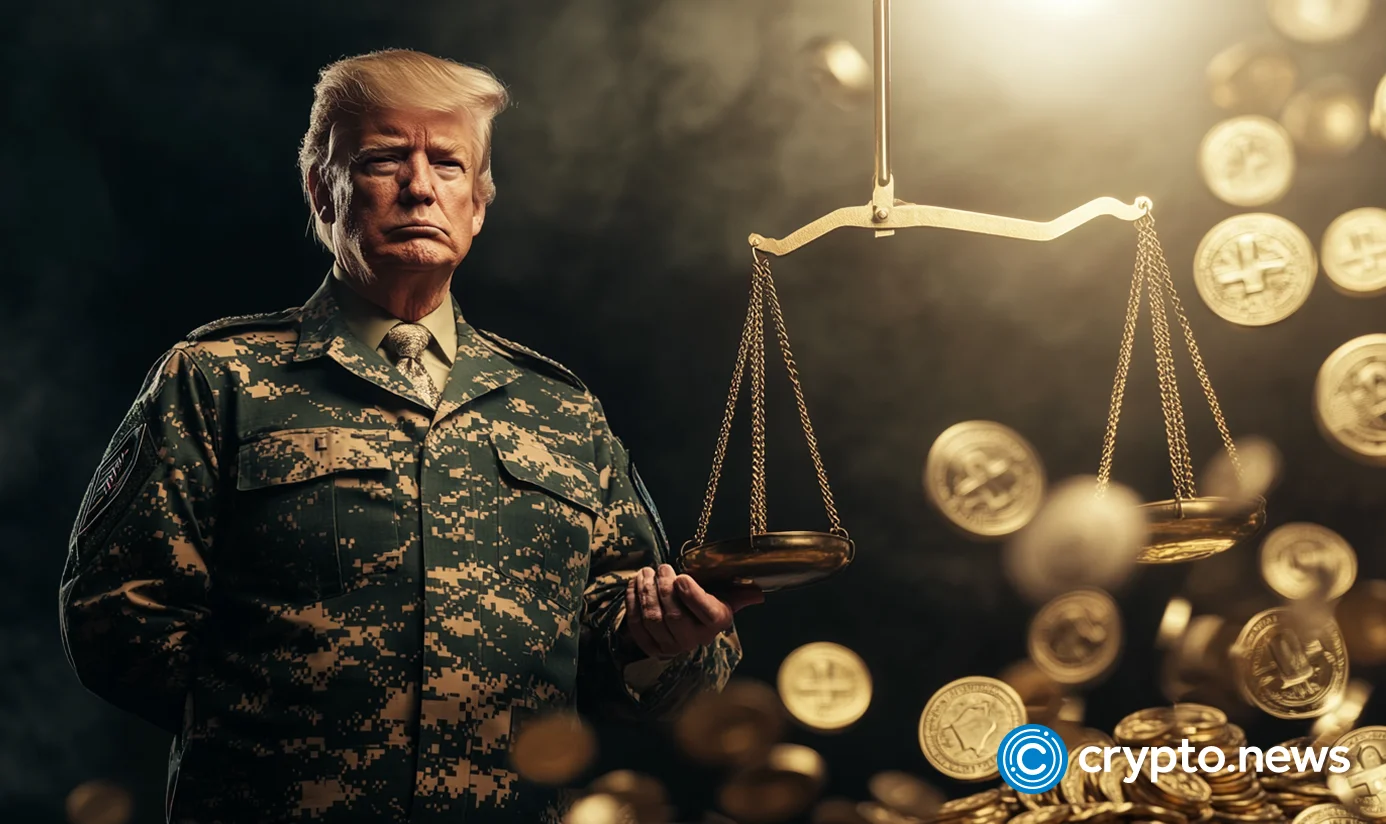
Trump's renewed threats to target Iran's critical infrastructure, including power grids and water desalination plants, have escalated geopolitical tensions as a naval blockade reportedly goes into effect. Legal experts have flagged these actions as potential war crimes, creating significant uncertainty in global markets that could impact energy prices, risk assets, and cryptocurrency volatility.
The escalation of US-Iran tensions represents a critical geopolitical flashpoint with far-reaching consequences for global financial markets. Trump's explicit threats to destroy Iran's essential infrastructure—power generation, water treatment, and transportation networks—combined with an active naval blockade, signal a shift toward direct economic and military confrontation. This represents a material escalation beyond diplomatic posturing, with legal scholars warning of potential violations of international humanitarian law.
This confrontation emerges from longstanding US-Iran hostilities that have periodically threatened regional stability since 2018, when the US withdrew from the nuclear accord. Prior incidents involving sanctions, proxy conflicts, and occasional military exchanges have conditioned markets to view Iran-related developments through a risk premium lens. The current escalation differs in its explicitness and scope, targeting civilian infrastructure rather than military assets.
Markets respond predictably to geopolitical risk through multiple channels. Energy markets face upward pressure as sanctions and conflict threaten Iranian oil exports and regional stability. Risk-off sentiment typically strengthens traditional safe havens like US Treasuries while pressuring equities and risk assets. Cryptocurrency markets, sensitive to macro uncertainty and perceived government overreach, often experience volatility during major geopolitical events as investors reallocate capital. Additionally, sanctions-adjacent crypto activity could face heightened regulatory scrutiny if the conflict intensifies.
The trajectory depends on whether rhetoric translates to military action. Continued escalation without armed conflict may sustain elevated volatility and risk premiums across assets. Direct military engagement would trigger sharper market dislocations, potential oil price spikes, and flight-to-safety dynamics that could benefit crypto as a non-correlated hedge for sophisticated investors.
- →Trump's threats to destroy Iran's power grids and water infrastructure represent explicit escalation beyond prior diplomatic tensions.
- →Naval blockade and infrastructure targeting create upside pressure on energy prices and downside risk for equity markets.
- →Geopolitical uncertainty typically increases cryptocurrency volatility as investors seek non-correlated assets and hedge against government-driven instability.
- →Potential war crimes allegations could trigger international responses that further complicate sanctions and trade dynamics.
- →Market impact depends critically on whether threats materialize into military action or remain coercive posturing.