
Trump warns US will attack Iran on Thursday unless accord accepted
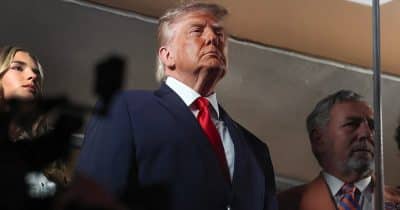
President Trump has issued an ultimatum to Iran regarding a potential accord, with an implied threat of US military action by Thursday if terms are not accepted. This geopolitical escalation creates uncertainty in global markets, prompting sharp reactions in cryptocurrency assets as investors reassess risk exposure amid heightened international tensions.
Geopolitical crises exert outsized influence on cryptocurrency markets due to their role as alternative value stores during periods of macroeconomic uncertainty and institutional instability. Trump's Iran ultimatum represents a critical flashpoint that threatens to destabilize global financial systems, prompting risk-off sentiment across asset classes. Cryptocurrency markets typically experience volatility spikes during such events, with Bitcoin and other digital assets serving as hedges against traditional market disruptions and currency debasement.
The US-Iran relationship has historically influenced oil prices, energy markets, and broader macroeconomic conditions. Escalated military tensions trigger flight-to-safety dynamics where investors reallocate capital away from emerging markets and volatile assets. However, cryptocurrencies present a dual dynamic: initial selloffs occur as leverage unwinds and risk appetite evaporates, but sustained geopolitical uncertainty often drives longer-term inflows into decentralized assets perceived as resistant to state control and geopolitical intervention.
Crypto markets face immediate pressure from reduced global liquidity and increased margin calls during uncertainty periods. Regional instability could disrupt energy supplies, creating stagflationary pressures that typically support Bitcoin's narrative as an inflation hedge. Traders monitoring this situation should track traditional indicators alongside crypto price action, including crude oil futures, equity index volatility indexes, and safe-haven bond yields. The resolution timeline matters significantly—a quick diplomatic resolution would likely trigger relief rallies, while escalation could drive sustained volatility and potential capital flight into digital assets perceived as geopolitically neutral.
- →US-Iran military tensions create immediate volatility in cryptocurrency markets as investors reassess geopolitical risk exposure
- →Geopolitical crises typically drive both short-term selloffs and longer-term inflows into decentralized digital assets
- →Bitcoin and crypto serve as hedges against institutional instability and potential energy market disruptions
- →Oil price movements and traditional market volatility directly influence cryptocurrency trading patterns during international conflicts
- →Resolution timeline and escalation trajectory will determine whether volatility remains temporary or drives sustained capital reallocation