
The Trump Administration Is at War With Itself Over AI Regulation
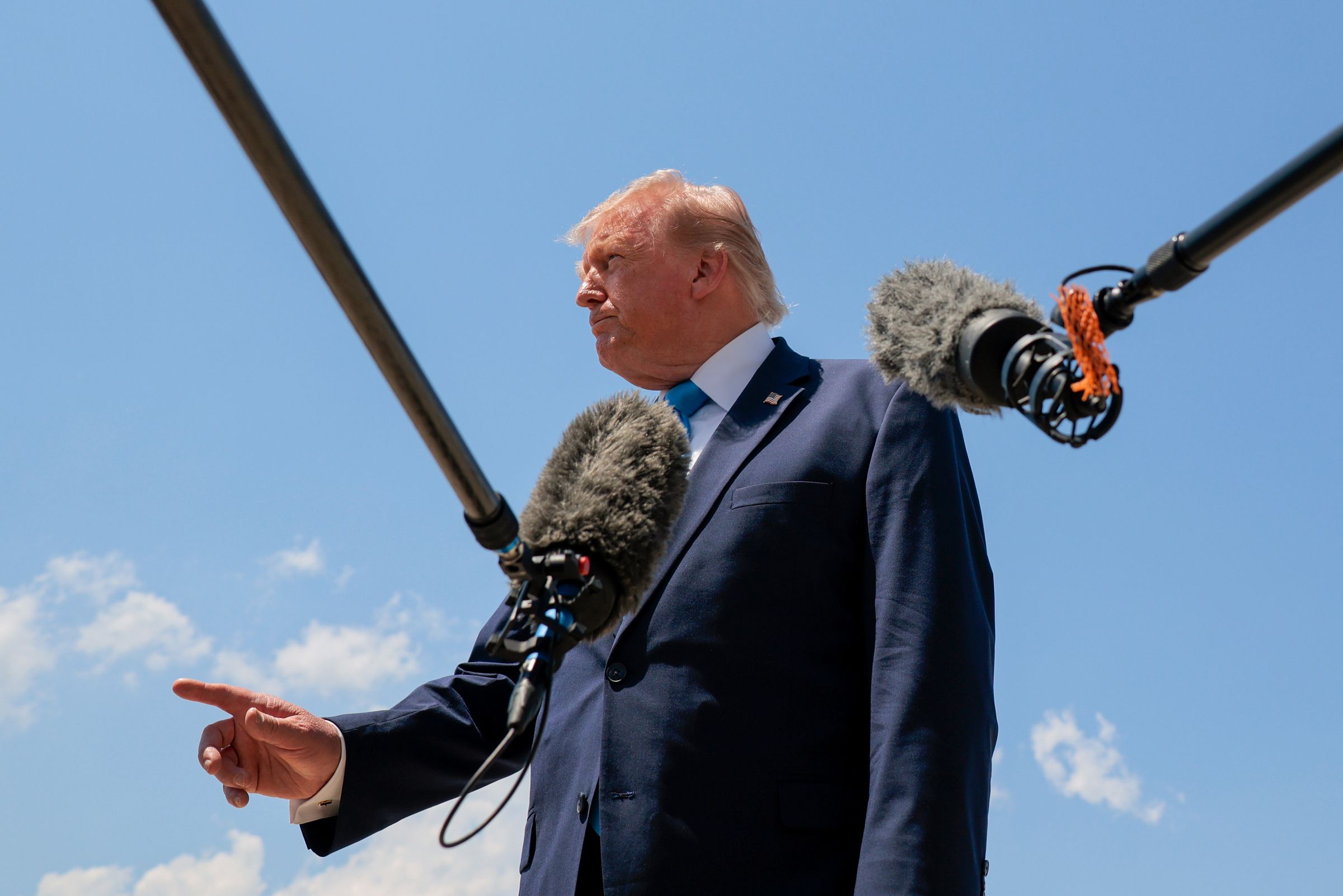
President Trump rescinded an executive order on AI regulation, creating internal discord within his administration as officials and tech executives scramble to determine the path forward. The move signals uncertainty about the administration's AI policy stance, leaving the regulatory landscape in flux.
Trump's decision to kill the AI regulation executive order represents a significant reversal in policy direction, creating operational chaos within government agencies tasked with developing coherent AI oversight. The rescission leaves multiple stakeholders—from cabinet officials to Silicon Valley executives—uncertain about enforcement priorities and compliance requirements. This internal conflict reflects the broader tension between promoting technological innovation and implementing safeguards, a debate that has intensified as AI capabilities advance rapidly.
The context matters considerably. Previous administrations attempted to establish baseline AI governance frameworks, recognizing both opportunities and risks in the technology's deployment across critical sectors like finance, healthcare, and national security. Trump's action dismantles this regulatory foundation just as AI integration accelerates across the economy. The administration's conflicting signals suggest decision-makers remain divided on whether light-touch innovation incentives or proactive risk management should dominate policy.
For the tech industry and investors, this creates both opportunity and uncertainty. Reduced near-term regulatory burden may accelerate AI product launches and lower compliance costs, benefiting companies in development phases. However, the lack of clear standards increases long-term regulatory risk—future administrations or crises could trigger heavy-handed interventions. This unpredictability makes capital allocation decisions difficult for enterprises planning infrastructure investments.
Market participants should monitor whether administration factions coalesce around a coherent policy or continue fragmented approaches. Congressional activity on AI legislation becomes more likely if executive clarity doesn't emerge, potentially imposing more stringent requirements than any administration would have negotiated. The window for voluntary industry standards narrows considerably in this vacuum.
- →Trump administration reverses AI regulation executive order, leaving policy direction uncertain and creating internal discord among officials
- →The rescission removes baseline AI governance frameworks just as the technology rapidly integrates into critical economic sectors
- →Reduced near-term regulatory burden may accelerate AI development but increases long-term regulatory risk for investors and companies
- →Policy uncertainty may trigger congressional intervention with potentially stricter AI regulation than negotiated alternatives
- →Industry players must prepare for multiple regulatory scenarios as administration officials attempt to establish coherent AI strategy