
Trump confirms US port restrictions on Iran despite Hormuz reopening
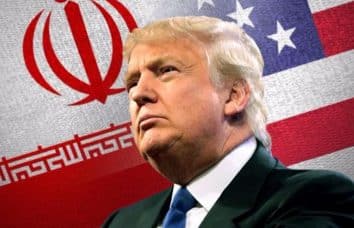
The Trump administration has confirmed continued US port restrictions on Iran despite recent diplomatic progress regarding the Strait of Hormuz. These restrictions threaten to undermine regional stability and economic recovery, with potential ripple effects across global markets including cryptocurrency and energy sectors.
The Trump administration's decision to maintain port restrictions on Iran signals a hardline approach to US-Iran relations that contradicts recent diplomatic developments. While the reopening of the Strait of Hormuz suggests tentative progress in regional negotiations, the continued sanctions demonstrate that Washington views these measures as non-negotiable leverage in broader geopolitical negotiations. This contradiction creates uncertainty about the trajectory of US foreign policy and regional stability.
Historically, US-Iran tensions have directly influenced cryptocurrency adoption and value, particularly in Iran where digital assets serve as hedges against currency depreciation and economic isolation. Sanctions regimes push affected economies toward alternative financial systems, including crypto, which operates outside traditional banking channels. The persistence of port restrictions maintains economic pressure on Iran and blocks legitimate trade routes, perpetuating the conditions that drive crypto adoption in sanctioned economies.
For global markets, continued restrictions risk prolonging elevated energy prices and supply chain disruptions. Cryptocurrency markets typically respond negatively to geopolitical tension through increased volatility, though some traders view sanctions-driven crypto adoption as a long-term bullish indicator. Investors exposed to energy commodities or emerging markets face renewed uncertainty about pricing and accessibility.
Looking ahead, the divergence between diplomatic gestures and economic restrictions suggests a wait-and-see approach from markets. Traders should monitor whether these restrictions soften with continued negotiations or harden into permanent policy. The outcome will significantly influence regional stability, energy markets, and crypto adoption patterns in sanctioned jurisdictions.
- →US port restrictions on Iran remain in effect despite Strait of Hormuz reopening, creating diplomatic inconsistency.
- →Continued sanctions maintain economic pressure that historically drives cryptocurrency adoption in Iran.
- →Global energy markets face prolonged uncertainty from maintained restrictions on Iranian trade.
- →Geopolitical tension typically increases cryptocurrency volatility across major trading pairs.
- →Policy clarity on sanctions enforcement will be critical for determining regional economic trajectory.