
Trump vows to maintain US blockade of Strait of Hormuz amid Iran tensions
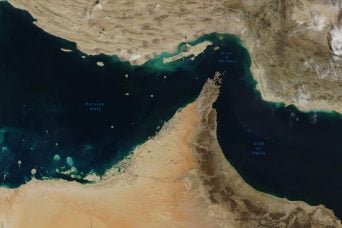
Trump has pledged to maintain a US blockade of the Strait of Hormuz amid escalating Iran tensions, with market predictions suggesting a 38% probability that normal traffic will resume by July 31. This geopolitical stance carries significant implications for global energy markets and cryptocurrency volatility.
Trump's commitment to maintaining a US blockade of the Strait of Hormuz represents a hardline geopolitical position with far-reaching economic consequences. The Strait of Hormuz is one of the world's most critical chokepoints for global energy infrastructure, with approximately 20-30% of seaborne oil passing through it daily. A sustained blockade would disrupt energy supplies and trigger substantial price volatility across commodities markets.
This escalation reflects ongoing US-Iran tensions that have periodically intensified over the past decade. The blockade threat signals a continuation of maximum pressure policies on Iran's economy and nuclear capabilities. Such geopolitical friction historically correlates with risk-off sentiment in traditional markets, though cryptocurrency responses vary depending on whether investors view digital assets as inflation hedges or risk assets.
For the crypto and broader financial markets, prolonged energy disruptions would likely trigger inflation concerns and central bank policy uncertainty, creating conditions that have previously supported both crypto adoption and volatility spikes. Oil price surges from supply constraints would feed inflation data, potentially influencing monetary policy decisions that directly impact asset valuations. The 38% probability of normal traffic resumption by July 31 suggests markets currently price in significant geopolitical risk over the next six months.
Investors should monitor escalation indicators in US-Iran relations, OPEC+ production decisions, and oil price movements as proxies for blockade severity. Energy price stability remains the primary transmission mechanism to cryptocurrency markets, particularly affecting altcoin performance and broader risk sentiment. Traders should watch for any diplomatic breakthroughs or military developments that could suddenly shift market expectations around Strait of Hormuz accessibility.
- →Trump pledges to maintain US blockade of Strait of Hormuz, creating significant geopolitical risk to global energy supplies
- →Markets assign only 38% probability to normal traffic resumption by July 31, indicating sustained tension expectations
- →Energy supply disruptions would likely trigger inflation concerns and increased market volatility
- →Crypto markets may experience heightened volatility as investors reassess risk assets amid potential oil price spikes
- →Oil price movements serve as a key transmission mechanism for geopolitical shocks to reach cryptocurrency markets