
Trump engages in conflict influenced by Netanyahu, US naval blockade active
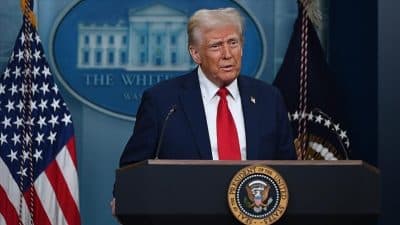
Escalating military tensions in the Middle East involving the Trump administration, Israeli leadership, and a US naval blockade are creating significant geopolitical instability. These developments introduce macroeconomic uncertainty that could impact global markets, including cryptocurrency volatility driven by risk-off sentiment and energy market concerns.
The article highlights intensifying military confrontation in the Middle East, where diplomatic channels have stalled and direct military engagement is escalating. The involvement of US naval forces through a blockade signals a shift from diplomatic posturing to active military positioning, while political influence dynamics between Washington and Tel Aviv shape operational decisions. This geopolitical friction matters because Middle Eastern instability historically correlates with oil price spikes, currency fluctuations, and broader risk-off market behavior that reverberates through cryptocurrency and traditional asset classes.
Historically, Middle Eastern conflicts have driven energy costs upward, compressed global growth expectations, and prompted investors to seek safe-haven assets. The current situation builds on months of rising tensions, but the active naval blockade represents an escalation from previous standoffs. This shift suggests near-term military action is more probable than before, intensifying uncertainty.
For crypto markets, geopolitical crises typically trigger flight-to-safety liquidations as institutional investors reduce leveraged positions and move into traditional hedges. Bitcoin has sometimes benefited from inflation concerns tied to conflict, but initial shock reactions usually favor the US dollar. Ethereum and altcoins tend to underperform during geopolitical stress as risk appetite contracts. Traders should monitor oil prices and USD strength as leading indicators—sustained energy inflation or dollar appreciation would signal prolonged headwinds for risk assets.
Key developments to watch include whether diplomatic channels reopen, whether the blockade escalates to direct military engagement, and how energy markets respond. Extended conflict scenarios could maintain elevated volatility for weeks or months.
- →US naval blockade marks escalation from diplomatic stalemate to active military positioning in Middle East
- →Geopolitical instability typically triggers cryptocurrency sell-offs as investors reduce risk exposure
- →Oil price movements and USD strength will be primary indicators of market impact severity
- →Crypto volatility may persist if conflict extends beyond initial phase or energy prices spike
- →Bitcoin's safe-haven narrative faces headwinds if conflict triggers immediate risk-off liquidations