
Trump misses deadline, Strait of Hormuz remains closed, talks with Iran unconfirmed
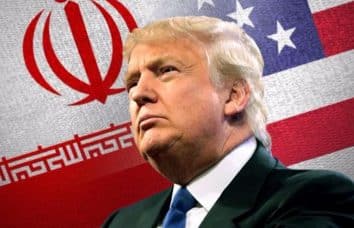
The Trump administration missed a deadline regarding the Strait of Hormuz closure while discussions with Iran remain unconfirmed, creating sustained geopolitical uncertainty. This escalating tension between the US and Iran threatens critical global oil supply routes, amplifying market volatility and risk premiums across traditional and cryptocurrency markets.
The Strait of Hormuz closure represents a critical geopolitical flashpoint with direct implications for global energy markets and cryptocurrency volatility. Approximately 20-30% of global oil passes through this strategic waterway, making its closure a supply shock that reverberates across all asset classes. Trump's missed deadline and unconfirmed Iranian negotiations suggest diplomatic efforts remain stalled, leaving the closure in place indefinitely.
Historically, US-Iran tensions have escalated in cycles, with each confrontation producing temporary market dislocations. The current situation builds on decades of sanctions, proxy conflicts, and periodic threats to shipping routes. Cryptocurrency markets have demonstrated sensitivity to geopolitical risk events, with Bitcoin and other assets often serving as hedges against traditional market disruption and currency debasement that accompanies prolonged conflicts.
Market participants face elevated oil price uncertainty, which increases inflation expectations and central bank policy risk. Higher energy costs compress corporate margins and consumer purchasing power, factors that typically drive flight-to-safety dynamics favoring Bitcoin and other non-correlated assets. Conversely, economic slowdown from supply disruptions can reduce risk appetite broadly, including crypto holdings.
The breakdown in US-Iran communications suggests the situation could deteriorate further. Traders should monitor official statements from both governments, OPEC production announcements, and shipping insurance rates as leading indicators of escalation. Future developments could trigger either sustained demand for alternative value stores or broader market risk-off scenarios depending on whether diplomatic channels reopen.
- →Strait of Hormuz closure threatens 20-30% of global crude oil supply, creating inflationary pressure and economic uncertainty
- →Trump administration missed deadline on Iran negotiations, with diplomatic talks remaining unconfirmed and uncertain
- →Prolonged geopolitical tensions typically increase cryptocurrency volatility and flight-to-safety demand for non-correlated assets
- →Energy supply shocks create competing market dynamics: inflation hedging demand versus broad risk-off pullback
- →Monitor government statements, shipping insurance rates, and OPEC actions as early warning indicators of further escalation