
Trump calls NATO “absolutely useless” for non-involvement in Iran conflict
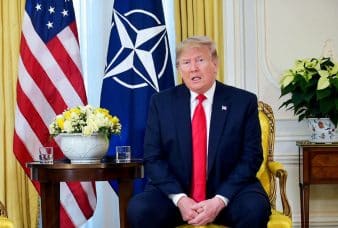
Donald Trump criticized NATO as "absolutely useless" for its lack of involvement in the Iran conflict, suggesting potential shifts in US foreign policy and alliance commitments. This criticism could reshape global geopolitical dynamics and influence market perceptions of stability, with ripple effects on asset valuations and investor sentiment.
Trump's public criticism of NATO represents a significant escalation in rhetoric regarding US commitment to traditional alliances. His statement questioning NATO's relevance in Middle Eastern conflicts signals a potential realignment of American foreign policy priorities, moving away from multilateral institutional frameworks toward more unilateral or selective engagement strategies.
This criticism builds on a longer pattern of Trump's skepticism toward NATO, dating back to his first presidency when he questioned the alliance's cost-benefit ratio for the United States. The timing of these remarks amid heightened Iran tensions suggests Trump may be advocating for a more direct US-led approach to Middle Eastern security rather than coalition-based responses. His framing of NATO as "useless" rather than merely ineffective indicates a hardening position that could translate into policy changes if he regains political influence.
For cryptocurrency and financial markets, geopolitical instability typically drives capital toward safe-haven assets and increases volatility across risk assets. Weakened confidence in traditional alliance structures creates uncertainty about US commitment to global security arrangements, potentially inflating valuations for defensive assets including gold, certain cryptocurrencies perceived as hedges, and stablecoins. Conversely, traditional equity markets may experience headwinds if investors fear unpredictable foreign policy shifts that could trigger regional conflicts or trade disruptions.
Investors should monitor whether Trump's rhetoric translates into concrete policy proposals or institutional changes. Tracking developments in Iran-US relations, NATO responses, and congressional reactions will provide clarity on whether these statements represent posturing or signal genuine strategic repositioning that could materially affect market sentiment and asset allocation decisions.
- →Trump's NATO criticism signals potential shifts toward unilateral US foreign policy, moving away from traditional alliance structures.
- →Geopolitical uncertainty from weakened institutional confidence typically increases demand for safe-haven assets and crypto hedges.
- →Equity markets may face headwinds if investors fear unpredictable Middle Eastern policy decisions under potential leadership changes.
- →The rhetoric suggests prioritization of direct US engagement over multilateral coalition approaches to regional security challenges.
- →Market implications depend on whether statements translate into actual policy changes versus political messaging.