
Trump’s NATO doubts stir speculation on US withdrawal
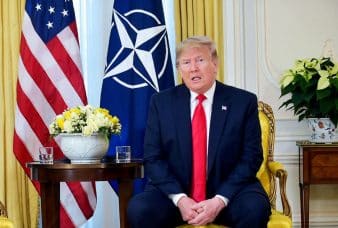
Statements from Trump regarding potential U.S. withdrawal from NATO have sparked renewed debate about America's commitment to the alliance, prompting European nations to reassess their defense capabilities and strategic independence. The uncertainty surrounding U.S. foreign policy commitments could have broader implications for global stability and investor sentiment across geopolitical risk assets.
Trump's recent comments questioning U.S. involvement in NATO have reignited discussions about America's role in the transatlantic alliance and the durability of post-WWII security arrangements. This rhetoric, whether campaign positioning or genuine policy intent, introduces significant uncertainty into international relations and defense spending forecasts. European nations, particularly those bordering Russia, now face pressure to accelerate defense investments and develop autonomous security frameworks independent of American guarantees.
Historically, Trump has criticized NATO burden-sharing, arguing that American taxpayers subsidize European security disproportionately. While previous administrations maintained NATO commitments despite budgetary complaints, the current speculation reflects genuine questions about alliance cohesion. European leaders recognize that sustained U.S. doubts, regardless of outcome, necessitate strategic planning for potential scenarios involving reduced American military presence or security guarantees.
For markets and investors, NATO instability translates to increased defense spending across Europe, higher commodity volatility, and potential shifts in capital allocation toward defense contractors and European infrastructure. Cryptocurrency and digital asset markets typically react negatively to geopolitical uncertainty, particularly regarding potential capital flight from volatile regions or increased government controls. Risk-off sentiment strengthens demand for safe-haven assets, potentially pressuring speculative investments.
Monitoring actual policy changes versus rhetorical positioning becomes critical. If Trump administration policies formalize withdrawal timelines or substantially reduce commitment levels, the market impact would be substantial. Conversely, if NATO skepticism remains rhetorical without concrete policy shifts, markets may stabilize once clarity emerges.
- →Trump's NATO withdrawal speculation forces European nations to pursue strategic autonomy and increased defense budgets
- →Geopolitical uncertainty typically creates risk-off sentiment, pressuring speculative assets including cryptocurrencies
- →European defense spending and infrastructure represent major capital allocation opportunities amid security concerns
- →Markets require clarity on whether statements represent genuine policy intent or negotiating positions
- →Extended uncertainty about alliance stability could drive sustained volatility across multiple asset classes