
Trump orders US Navy to escort ships through Strait of Hormuz amid tensions
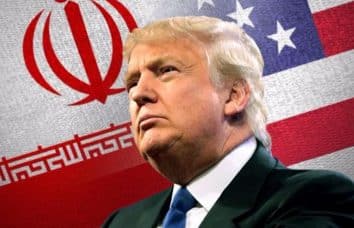
President Trump has ordered the US Navy to escort commercial vessels through the Strait of Hormuz, a critical chokepoint for global oil shipments. While the measure aims to secure shipping routes and stabilize energy markets, it risks prolonging geopolitical tensions that could create market volatility and undermine diplomatic resolutions.
The US Navy escort directive represents an escalation in regional tensions centered on the Strait of Hormuz, one of the world's most strategically important waterways through which approximately 21% of global petroleum passes. Trump's decision prioritizes immediate maritime security over diplomatic channels, reflecting a more assertive approach to regional stability. This action directly impacts energy markets, as any disruption to Hormuz shipping typically triggers crude oil price spikes that ripple through global economies.
Historically, the Strait has been a flashpoint for US-Iran tensions, with previous incidents including ship seizures and drone attacks. The current escalation reflects broader regional instability that has persisted across multiple administrations. Trump's military response echoes his earlier maximum pressure campaign against Iran, signaling a return to confrontational policies rather than negotiated settlements.
For cryptocurrency and blockchain markets, geopolitical friction creates indirect but meaningful consequences. Energy price volatility affects operational costs for bitcoin miners and data centers, potentially impacting network efficiency and profitability. Broader market uncertainty from shipping disruptions typically correlates with risk-off sentiment across crypto assets, as investors flee to traditional safe havens. Oil price spikes also feed inflation concerns that influence central bank policy and interest rate expectations, ultimately affecting risk appetite for speculative assets.
Investors should monitor shipping indices and crude oil futures alongside geopolitical developments. Any escalation could trigger flight-to-safety dynamics that suppress crypto valuations, while prolonged tensions may create sustained energy price pressures affecting mining economics. Watch for diplomatic initiatives that could provide off-ramps from this militarized posture.
- →US Navy escort mission secures shipping routes but intensifies geopolitical tensions in a critical global oil corridor
- →Energy price volatility from Hormuz instability directly impacts bitcoin mining costs and operational economics
- →Broader market uncertainty typically drives risk-off sentiment that suppresses cryptocurrency valuations
- →Diplomatic resolution prospects appear diminished by military-first approach, extending uncertainty timeline
- →Investors should track oil futures and shipping indices as leading indicators for potential crypto market headwinds