
Trump administration backs $80B nuclear deal with $17.5B in government-backed financing for Westinghouse reactors
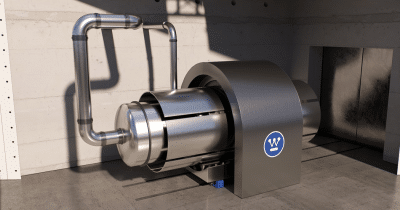
The Trump administration is backing an $80 billion nuclear expansion with $17.5 billion in government-backed financing for Westinghouse reactors. This initiative aims to enhance US energy security and global competitiveness, with potential implications for energy-intensive industries including cryptocurrency mining and blockchain operations.
The Trump administration's commitment to nuclear expansion represents a significant shift in US energy policy toward reliable baseload power generation. The $17.5 billion in government-backed financing for Westinghouse reactors signals confidence in nuclear technology as a cornerstone of American infrastructure and demonstrates prioritization of domestic energy independence. This policy aligns with broader efforts to reduce reliance on intermittent renewable sources while addressing growing electricity demand.
Nuclear power has historically faced challenges due to construction costs, regulatory complexity, and long development timelines. Government financing mechanisms help overcome these barriers and accelerate project deployment. The scale of this commitment—an $80 billion total investment—indicates serious intent to modernize the US nuclear fleet and establish manufacturing capabilities for advanced reactor technology.
For energy-intensive industries like cryptocurrency mining, this development carries meaningful implications. Bitcoin and blockchain operations require substantial, continuous power supplies, and nuclear energy offers carbon-free, reliable baseload electricity at competitive rates. Regions with access to expanded nuclear capacity may attract mining operations seeking to reduce operational costs and meet environmental standards. The policy could also improve the narrative around crypto's environmental footprint by enabling miners to source clean energy domestically.
Market participants should monitor project timelines, as regulatory approval and construction typically span several years. Success in expanding nuclear capacity could reshape energy markets, potentially lowering electricity costs in certain regions and influencing where compute-intensive industries locate. The geopolitical dimension—strengthening US competitiveness against energy-dependent rivals—adds another layer of strategic importance to this initiative.
- →$17.5 billion government financing accelerates US nuclear expansion with Westinghouse reactors
- →Nuclear baseload power addresses energy security and reduces reliance on intermittent renewables
- →Expanded nuclear capacity could attract cryptocurrency mining operations seeking cheap, clean electricity
- →Government support signals long-term commitment to nuclear technology as infrastructure priority
- →Project success depends on regulatory approval and construction timelines spanning multiple years