
Trump open to meeting Iranian leaders in Islamabad amid oil sanction talks
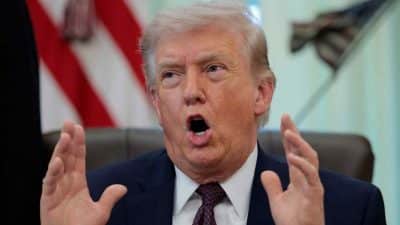
Former President Trump has signaled openness to meeting with Iranian leaders in Islamabad while discussing oil sanctions, potentially marking a significant shift in US-Iran diplomatic relations. Such engagement could influence global oil markets and reshape geopolitical dynamics affecting energy prices and investor sentiment.
Trump's willingness to meet Iranian officials represents a notable departure from conventional diplomatic channels and suggests potential recalibration of US sanctions policy toward Iran. Historically, Trump's first administration imposed maximum pressure campaigns on Iran through oil sanctions, driving crude prices and creating market volatility. This openness to dialogue implies the incoming administration may explore negotiated settlements rather than escalatory measures, fundamentally altering expectations around energy markets and geopolitical risk premiums.
The venue selection—Islamabad, Pakistan—carries strategic significance as a neutral ground with established diplomatic infrastructure. Pakistan maintains complex relationships with both the US and Iran, making it a credible intermediary location. Previous rounds of Iranian nuclear negotiations demonstrated how diplomatic breakthroughs can rapidly reshape commodity pricing and investor confidence in stability.
For markets, potential sanctions relief or modification directly impacts crude oil pricing, currently sensitive to Middle East geopolitical risks. Energy-focused cryptocurrency tokens and traditional oil futures markets would respond sharply to any announced framework. Broader market implications include reduced geopolitical risk premiums in equity indices and potential appreciation of currencies in sanctions-sensitive regions.
Investors should monitor announcements regarding specific sanctions modifications, timeline expectations, and verification mechanisms. The distance between diplomatic openness and actual policy implementation remains significant. Key indicators include whether preliminary meetings are scheduled, what concessions each party demands, and whether European allies coordinate sanctions policy changes.
- →Trump signaled openness to direct talks with Iranian leaders in Islamabad regarding oil sanctions
- →Diplomatic engagement contrasts with previous maximum pressure campaigns and could reshape energy market dynamics
- →Oil markets face potential volatility depending on sanctions policy modifications
- →Pakistan's neutral diplomatic role positions it as a credible venue for US-Iran negotiations
- →Actual policy implementation remains uncertain despite diplomatic signaling